



August 28, 2026
In the rapidly evolving road, bridge, and general civil building sectors, small and medium-sized contractors must balance capital expenditure against daily jobsite productivity. Deploying a self-loading concrete mixer provides construction teams with an versatile mobile solution that handles aggregate loading, weighing, mixing, and localized concrete delivery in a single machine. By eliminating reliance on third-party batching plants and remote delivery fleets, contractors maintain direct control over project schedules and material quality.
When expanding fleet capabilities, evaluating the self-loading concrete mixer price(hormigonera autocargable precio) across different capacity tiers is a critical step in equipment procurement. Purchasing a machine that is either underpowered or excessively large leads to operational inefficiencies and slow capital recovery. Understanding how drum volume, mechanical specifications, and site demands influence costs allows project managers to select the most cost-effective machine for their specific project pipeline.
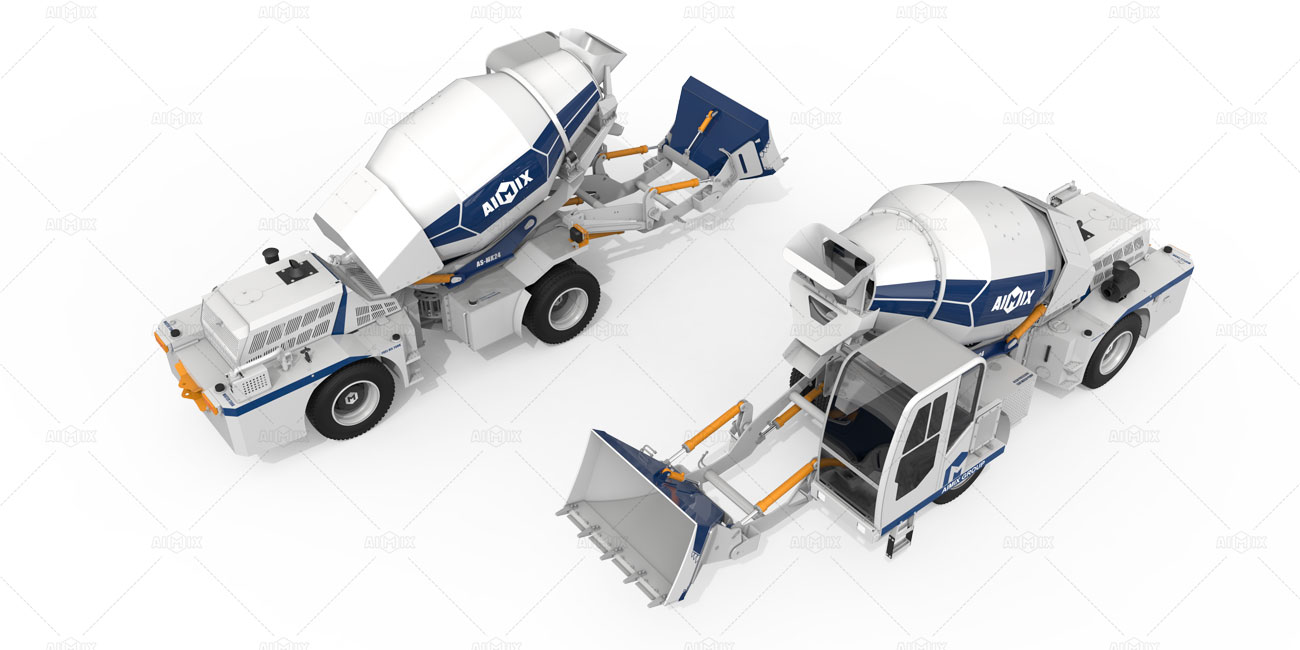
Compact Capacity Models for Small-Scale Civil Works
Compact self-feeding concrete mixers, generally offering output volumes between 1.2 and 2.0 cubic meters per batch, are specifically designed for localized construction environments. These compact units excel on narrow rural road paving projects, small residential foundations, culvert construction, and urban repair sites where maneuverability is paramount.
For growing contractors entering regional civil markets, comparing popular self-loading concrete mixer models in this entry-level class reveals a low barrier to financial entry. The lower self-loading concrete mixer price associated with smaller drum capacities allows contractors to transition away from manual mixing without incurring excessive debt. Furthermore, compact machines feature lower fuel consumption rates and simplified hydraulic systems, keeping daily operating expenses minimal while providing steady daily concrete volume.
Mid-Range Capacity Models for Regional Infrastructure Projects
Mid-capacity units, typically ranging from 2.6 to 3.5 cubic meters per batch, represent the most widely deployed fleet category in road and bridge construction. These machines balance substantial daily concrete output with dynamic off-road mobility, making them ideal for multi-site project operations.
-
Ideal Application Scope: Medium-sized contractors managing simultaneous foundation pours, municipal street widenings, and multi-story building frames benefit greatly from mid-size output.
-
Operational Efficiency: A single mid-range self-loading concrete mixer(hormigonera autocargante) can produce between 100 and 140 cubic meters of fresh concrete per shift, satisfying high-demand pour schedules without requiring extra transport vehicles.
-
Investment Balance: While the self-loading concrete mixer price for mid-size units is higher than entry-level alternatives, the increase in daily output significantly reduces cost-per-cubic-meter produced, accelerating equipment payback.
Contractors exploring popular self-loading concrete mixer models in this segment often find that the added productivity yields the fastest operational return on investment across typical regional infrastructure contracts.
Heavy-Duty High-Capacity Models for Major Infrastructure
High-capacity mobile mixers delivering 4.0 to 5.5 cubic meters per batch are built for heavy civil engineering, highway paving, dam construction, and major bridge pier installations. These heavy-duty machines feature high-horsepower engines, reinforced structural chassis, and high-torque four-wheel-drive systems capable of navigating steep gradients and soft terrain while fully loaded.
Because these large units require industrial-grade hydraulic pumps, multi-axis slewing mechanisms, and advanced load-cell batching systems, the initial capital expenditure is higher. However, for large contractors executing continuous, high-volume concrete pours in remote regions, investing in a high-output self-loading concrete mixer guarantees continuous site independence and eliminates expensive supply chain delays.
Core Factors Influencing Machine Valuation Across Capacities
Beyond drum size, several technical specifications directly impact procurement pricing across all machinery tiers.
Engine Standards and Hydraulic Components
The choice of engine brand and emission compliance significantly influences pricing. Machines equipped with international tier-rated engines and premium hydraulic pumps command a higher purchase price but deliver superior operational reliability, lower fuel consumption, and accessible spare parts.
Automation and Precision Batching Systems
Integrated electronic weighing systems, aggregate load sensors, and onboard mix-report printers add value to any self-loading concrete mixer. Modern engineering standards require strict concrete mix ratios, and investing in precise batching technology prevents costly material waste and structural re-work.
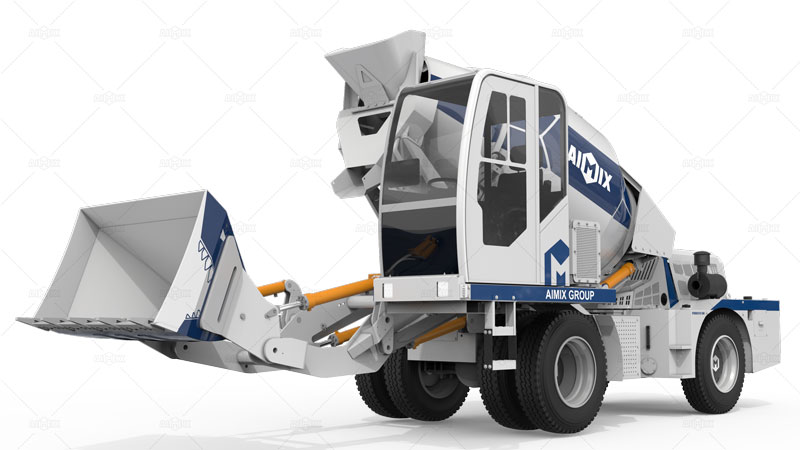
Strategic Guidelines for Fleet Investment
Selecting the right self-feeding mixer requires matching equipment capacity to your realistic two-to-three-year project pipeline. Purchasing a unit based solely on the lowest self-loading concrete mixer price can result in frequent mechanical downtime if the machine is pushed beyond its design limits on demanding job sites. Conversely, over-specifying capacity for small-scale projects ties up valuable capital in underutilized equipment.
Contractors should analyze average daily concrete demands, terrain conditions, and local transport logistics before finalizing procurement. Exploring established, popular self-loading concrete mixer models(modelos populares de autohormigonera) backed by reliable dealer support, accessible maintenance documentation, and strong secondary market resale value ensures long-term operational success and maximum fleet profitability.
Posted by: aimixmaquina at
03:51 AM
| No Comments
| Add Comment
Post contains 755 words, total size 7 kb.
August 25, 2026
In modern aggregate production, consistency and operational safety are just as important as crushing capacity. A PLC-controlled stone crushing plant can coordinate feeders, crushers, screens, conveyors, and other auxiliary equipment through a centralized control system. This reduces dependence on manual intervention and helps operators maintain more stable production conditions.
For quarry owners and contractors comparing stone crusher prices Peru, automation is increasingly worth considering as part of the total investment. A lower equipment price may appear attractive initially, but frequent operator errors, unstable feeding, unnecessary downtime, and inefficient equipment coordination can increase operating costs over the plant's service life.
PLC control does not mean eliminating operators. Instead, it allows operators to focus on monitoring production and responding to abnormal conditions while the control system handles repetitive sequences and interlocks. The result can be a more predictable and manageable crushing process.
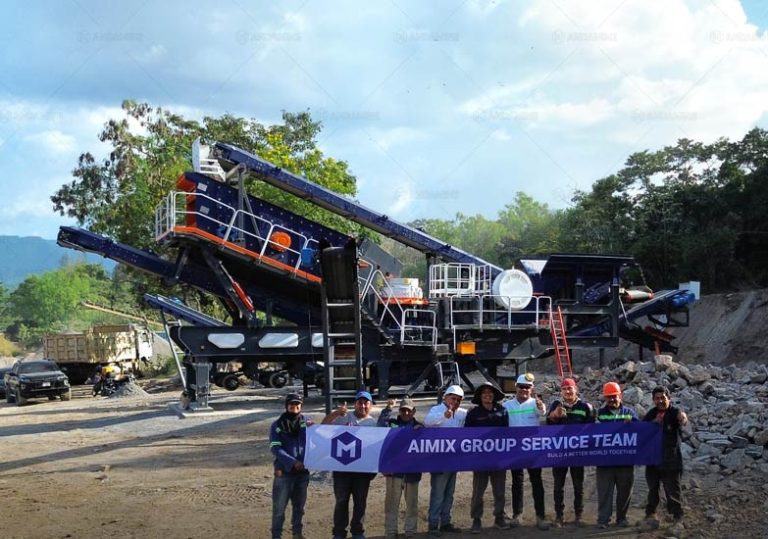
How PLC Control Works In A Crushing Plant
A Programmable Logic Controller (PLC) receives signals from sensors and operating components throughout the crushing line. It processes these signals according to programmed logic and sends commands to motors, feeders, conveyors, crushers, and other equipment.
Coordinating Multiple Machines
A typical automated stone crushing plant(planta trituradora) may coordinate:
- Vibrating feeder
- Jaw crusher
- Cone or impact crusher
- Vibrating screen
- Belt conveyors
- Dust-control equipment
- Lubrication systems
- Safety and emergency-stop devices
Instead of requiring operators to start each machine independently, the PLC can follow a defined startup and shutdown sequence.
This coordination is especially useful when the crushing line contains several interconnected machines.
Why PLC Control Can Reduce Human Error
Human error does not necessarily mean poor operator performance. Crushing plants involve repetitive tasks, complex equipment relationships, and rapidly changing operating conditions. Even experienced operators can make mistakes when working under pressure.
Preventing Incorrect Startup Sequences
Starting downstream equipment before upstream conveyors or screens are ready can create material accumulation. A PLC-based system can establish logical interlocks so that equipment starts in a predetermined sequence.
Similarly, during shutdown, the system can continue running selected conveyors for a defined period to clear residual material.
Monitoring Abnormal Conditions
Sensors can monitor operating parameters such as:
- Motor current
- Bearing temperature
- Lubrication pressure
- Belt movement
- Material level
- Crusher load
- Equipment status
When a parameter exceeds a predefined limit, the PLC can trigger an alarm or stop relevant equipment.
This provides an additional layer of protection against operating conditions that might otherwise be missed.
More Stable Feeding And Crushing
Feeding consistency has a direct effect on crushing efficiency. Excessive feed can overload a crusher, while insufficient feed may reduce utilization.
A PLC-controlled feeder can adjust its operation according to programmed parameters or signals from other equipment.
Why Stable Feeding Matters
A more consistent material flow can help:
- Maintain a more stable crusher load
- Reduce sudden overloads
- Improve screening efficiency
- Reduce unnecessary equipment cycling
- Support more consistent final product grading
For a stone crushing plant, automation therefore contributes not only to convenience but also to process stability.
Easier Operation For Different Skill Levels
Mining and aggregate projects may experience changes in personnel, shifts, or operator experience. A centralized PLC system can simplify routine operation by displaying equipment status and alarms through a control interface.
Operators can quickly identify which machine has stopped and check the corresponding alarm information instead of inspecting every component manually.
Centralized Control Improves Visibility
A well-designed interface can show:
- Current equipment status
- Running and stopped machines
- Alarm conditions
- Production parameters
- Motor loading
- Safety interlock status
This allows operators to make decisions based on actual operating information.
How PLC Control Can Reduce Downtime
Unexpected shutdowns are expensive because they can stop the entire production chain. PLC systems can help reduce downtime by detecting abnormal conditions earlier and coordinating equipment shutdowns.
For example, if a conveyor stops unexpectedly, the control system can stop upstream feeding equipment to prevent material from accumulating.
This type of interlocking can limit the impact of a single equipment failure.
PLC Control And Total Equipment Cost
When comparing stone crusher prices Peru(chancadora de piedra precios Perú), buyers should evaluate automation as part of the total cost of ownership rather than treating it as an optional feature.
The initial investment in PLC control may be higher than a basic manually operated system, but potential benefits can include:
- Reduced operating errors
- More consistent production
- Improved equipment protection
- Easier troubleshooting
- Lower risk of material blockage
- Better coordination between machines
- Simplified operator management
The actual return depends on production scale, labor costs, operating hours, and the complexity of the crushing line.
What Buyers Should Ask Before Ordering
Not every PLC system provides the same level of functionality. Before purchasing a stone crushing plant, buyers should ask the manufacturer:
- Which machines are controlled by the PLC?
- What operating parameters can be monitored?
- Are alarm records available?
- Can the system display fault information?
- Are safety interlocks included?
- Can operating parameters be adjusted?
- Is remote technical support available?
- Can operators receive PLC training?
These questions help distinguish a genuinely integrated control system from a basic electrical control cabinet.
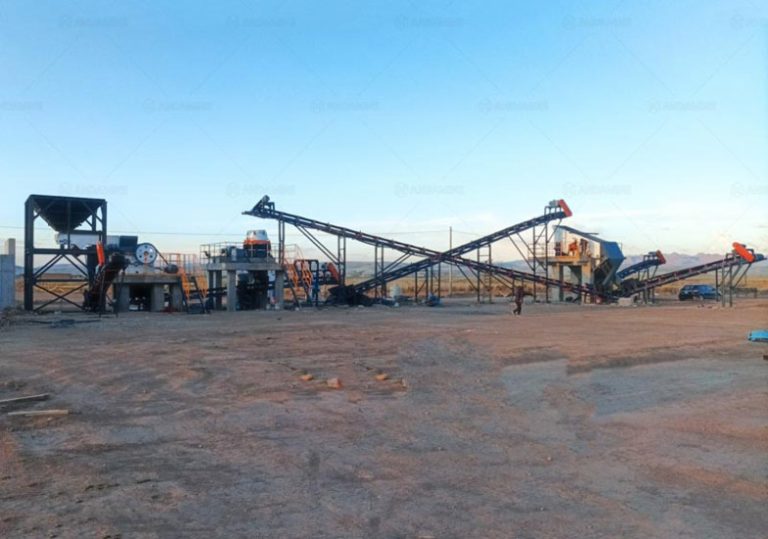
Automation Supports Better Crushing Decisions
PLC control is not simply about replacing manual buttons with a touchscreen. Its real value comes from coordinating equipment, monitoring operating conditions, preventing incorrect sequences, and providing operators with timely information.
For contractors evaluating stone crusher prices Peru, the control system should therefore be considered alongside crusher capacity, wear-part costs, energy consumption, and after-sales service.
A properly configured PLC-controlled stone crushing plant can reduce avoidable human errors while creating a more stable and predictable production environment. For modern aggregate operations, that combination of automation, equipment protection, and operational consistency can make a meaningful difference to long-term plant performance.
Posted by: aimixmaquina at
03:10 AM
| No Comments
| Add Comment
Post contains 936 words, total size 9 kb.
32 queries taking 0.0247 seconds, 67 records returned.
Powered by Minx 1.1.6c-pink.

