



November 03, 2026
Navigating international equipment standards can be challenging when procuring heavy machinery for construction projects. When evaluating suppliers, contractors frequently encounter product listings advertising CE marking and ISO certifications. While many buyers view these badges as routine marketing seals, they represent entirely different frameworks of quality assurance, operational safety, and regulatory compliance. Understanding the technical distinction between machinery design compliance and organizational process standardization protects buyers from costly operational delays, site audit rejections, and equipment breakdown risks.
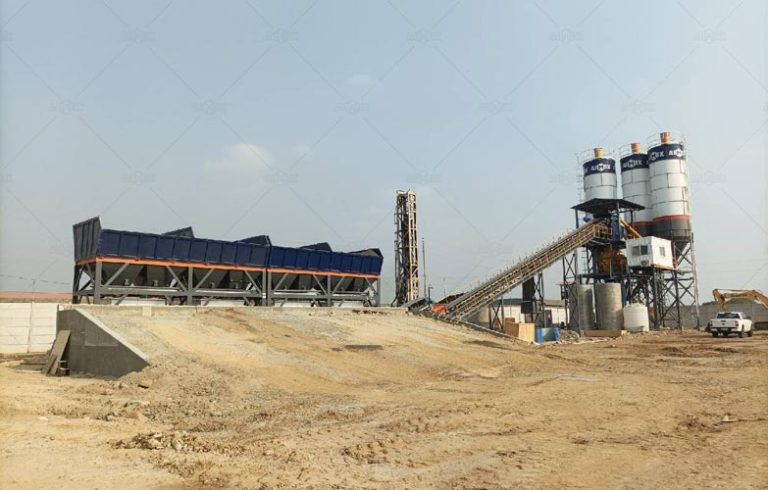
Decoding CE Marking and ISO Certification Standards
To evaluate equipment effectively, contractors must distinguish between product-level safety compliance and company-wide quality management systems.
CE Marking: Product Safety and Environmental Compliance
CE marking is a mandatory conformity marking for products sold within the European Economic Area, but it has become a global benchmark for industrial machinery safety. It confirms that a concrete plant(planta hormigonera) meets essential European health, safety, and environmental protection directives.
For batching machinery, CE compliance involves rigorous evaluation across key areas:
-
Machinery Directive compliance covering moving parts, mixer covers, and emergency stop mechanisms
-
Electromagnetic Compatibility (EMC) ensuring electronic weighing indicators operate without signal interference
-
Pressure Equipment Directive standards applied to cement silo pressure relief valves and pneumatic lines
-
Low Voltage Directive compliance ensuring safe electrical panel wiring and proper grounding
Purchasing a certified mobile concrete plant guarantees that electrical components, emergency shutdowns, and pneumatic systems adhere to stringent safety protocols, protecting operators on busy construction sites.
ISO Certification: Organizational Quality Management
Unlike CE marking, which applies directly to the physical machinery, ISO standards evaluate the manufacturer's operational processes. The most common standard in heavy equipment manufacturing is ISO 9001, which establishes criteria for a quality management system.
Key aspects governed by ISO standards include:
-
Consistency in structural steel fabrication and weld inspections
-
Traceability of raw materials and hydraulic components
-
Standardized assembly testing prior to factory dispatch
-
Structured customer feedback loops and after-sales service protocols
A manufacturer holding ISO certification proves that every concrete plant produced follows standardized quality control workflows, reducing the likelihood of factory defects.
Regulatory and Operational Impact on Regional Projects
Equipment certifications directly influence project approval timelines, insurance policies, and site compliance across global markets.
Streamlining Site Audits and Municipal Approvals
Municipal authorities and multinational civil engineering firms increasingly require certified equipment on infrastructure contracts. For instance, contractors deploying concrete plants in Colombia for municipal highway developments must submit technical documentation showing compliance with international safety and quality standards before site setup permits are granted.
Enhancing Site Safety with Mobile Equipment
On fast-moving infrastructure jobs, using a certified mobile concrete plant(planta de concreto móvil) reduces operational hazards. Features like automated interlocks on twin-shaft mixers and certified pressure sensors on cement silos prevent catastrophic job site accidents. When operating concrete plants in Colombia or other developing markets, having certified safety hardware lowers worker compensation risks and keeps projects fully compliant with local labor safety inspectors.
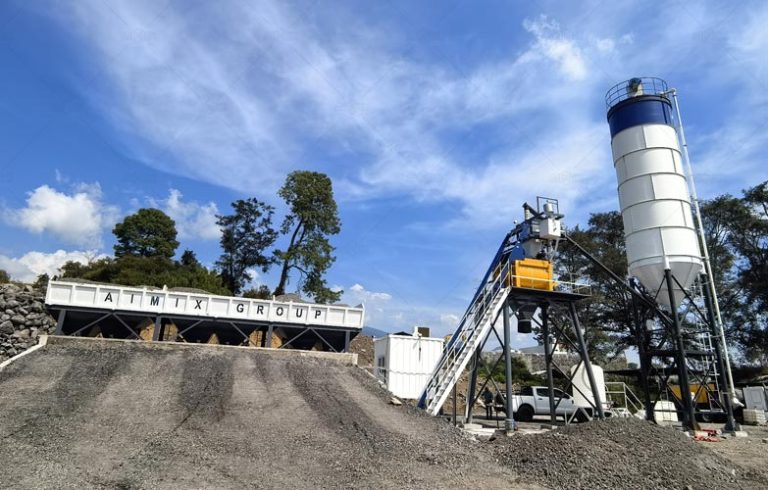
Evaluating Certification Authenticity and Manufacturer Credentials
Not all certification labels carry equal weight. Fraudulent or self-declared certificates are common in international trade, making thorough buyer verification essential.
How to Verify CE and ISO Documentation
Contractors should request full technical files and verification documentation before making purchasing decisions:
-
Request the Certificate of Conformity issued by an accredited European Notified Body for CE claims
-
Verify the ISO certificate registration number directly on the issuing registrar's official portal
-
Confirm that the scope of the ISO certification specifically covers machinery manufacturing rather than generic sales operations
Whether you are importing a stationary concrete plant for commercial ready-mix production or deploying a flexible mobile concrete plant for temporary roadwork, verified documentation prevents equipment impoundment at customs ports.
Practical Benefits for Regional Contractors
Working with certified equipment provides tangible long-term operational advantages:
-
Reduced equipment downtime due to standardized, high-grade electrical and hydraulic components
-
Higher resale value in secondary equipment markets across Latin America
-
Easier integration of replacement parts when expanding an existing mobile concrete plant fleet
For firms expanding operations and investing in concrete plants in Colombia(plantas de concreto Colombia), choosing certified manufacturing partners ensures long-term operational reliability and smooth compliance audits throughout the project lifecycle.
Building a Secure Equipment Investment Strategy
Understanding CE and ISO certifications shifts equipment procurement from price comparison to risk management. While CE marking ensures that physical machinery meets strict structural, electrical, and operational safety criteria, ISO certification guarantees consistent manufacturing quality control behind the scenes.
Prioritizing verified certifications when sourcing a concrete plant or expanding a fleet with a portable mobile concrete plant safeguards your workforce, streamlines local authority approvals, and protects your capital investment across demanding global job sites.
Posted by: aimixmaquina at
03:47 AM
| No Comments
| Add Comment
Post contains 767 words, total size 7 kb.
32 queries taking 0.0244 seconds, 65 records returned.
Powered by Minx 1.1.6c-pink.

