



November 03, 2026
Navigating international equipment standards can be challenging when procuring heavy machinery for construction projects. When evaluating suppliers, contractors frequently encounter product listings advertising CE marking and ISO certifications. While many buyers view these badges as routine marketing seals, they represent entirely different frameworks of quality assurance, operational safety, and regulatory compliance. Understanding the technical distinction between machinery design compliance and organizational process standardization protects buyers from costly operational delays, site audit rejections, and equipment breakdown risks.
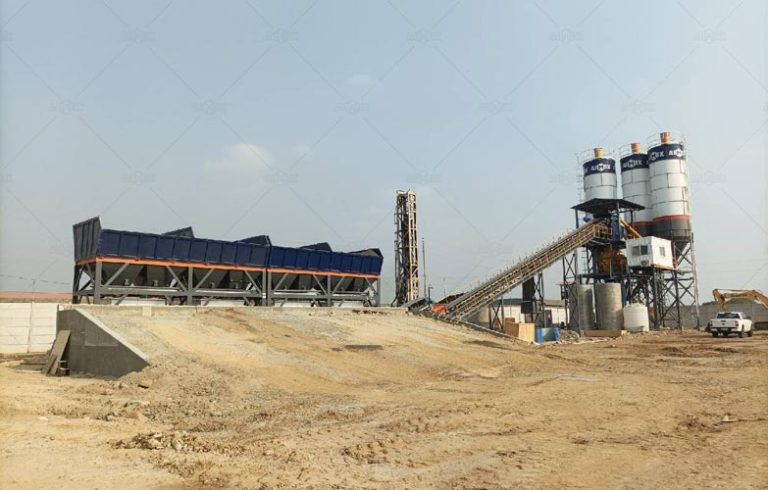
Decoding CE Marking and ISO Certification Standards
To evaluate equipment effectively, contractors must distinguish between product-level safety compliance and company-wide quality management systems.
CE Marking: Product Safety and Environmental Compliance
CE marking is a mandatory conformity marking for products sold within the European Economic Area, but it has become a global benchmark for industrial machinery safety. It confirms that a concrete plant(planta hormigonera) meets essential European health, safety, and environmental protection directives.
For batching machinery, CE compliance involves rigorous evaluation across key areas:
-
Machinery Directive compliance covering moving parts, mixer covers, and emergency stop mechanisms
-
Electromagnetic Compatibility (EMC) ensuring electronic weighing indicators operate without signal interference
-
Pressure Equipment Directive standards applied to cement silo pressure relief valves and pneumatic lines
-
Low Voltage Directive compliance ensuring safe electrical panel wiring and proper grounding
Purchasing a certified mobile concrete plant guarantees that electrical components, emergency shutdowns, and pneumatic systems adhere to stringent safety protocols, protecting operators on busy construction sites.
ISO Certification: Organizational Quality Management
Unlike CE marking, which applies directly to the physical machinery, ISO standards evaluate the manufacturer's operational processes. The most common standard in heavy equipment manufacturing is ISO 9001, which establishes criteria for a quality management system.
Key aspects governed by ISO standards include:
-
Consistency in structural steel fabrication and weld inspections
-
Traceability of raw materials and hydraulic components
-
Standardized assembly testing prior to factory dispatch
-
Structured customer feedback loops and after-sales service protocols
A manufacturer holding ISO certification proves that every concrete plant produced follows standardized quality control workflows, reducing the likelihood of factory defects.
Regulatory and Operational Impact on Regional Projects
Equipment certifications directly influence project approval timelines, insurance policies, and site compliance across global markets.
Streamlining Site Audits and Municipal Approvals
Municipal authorities and multinational civil engineering firms increasingly require certified equipment on infrastructure contracts. For instance, contractors deploying concrete plants in Colombia for municipal highway developments must submit technical documentation showing compliance with international safety and quality standards before site setup permits are granted.
Enhancing Site Safety with Mobile Equipment
On fast-moving infrastructure jobs, using a certified mobile concrete plant(planta de concreto móvil) reduces operational hazards. Features like automated interlocks on twin-shaft mixers and certified pressure sensors on cement silos prevent catastrophic job site accidents. When operating concrete plants in Colombia or other developing markets, having certified safety hardware lowers worker compensation risks and keeps projects fully compliant with local labor safety inspectors.
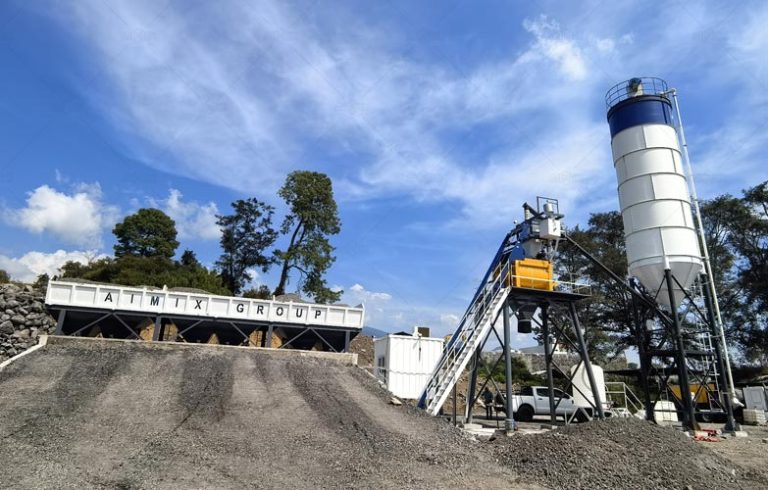
Evaluating Certification Authenticity and Manufacturer Credentials
Not all certification labels carry equal weight. Fraudulent or self-declared certificates are common in international trade, making thorough buyer verification essential.
How to Verify CE and ISO Documentation
Contractors should request full technical files and verification documentation before making purchasing decisions:
-
Request the Certificate of Conformity issued by an accredited European Notified Body for CE claims
-
Verify the ISO certificate registration number directly on the issuing registrar's official portal
-
Confirm that the scope of the ISO certification specifically covers machinery manufacturing rather than generic sales operations
Whether you are importing a stationary concrete plant for commercial ready-mix production or deploying a flexible mobile concrete plant for temporary roadwork, verified documentation prevents equipment impoundment at customs ports.
Practical Benefits for Regional Contractors
Working with certified equipment provides tangible long-term operational advantages:
-
Reduced equipment downtime due to standardized, high-grade electrical and hydraulic components
-
Higher resale value in secondary equipment markets across Latin America
-
Easier integration of replacement parts when expanding an existing mobile concrete plant fleet
For firms expanding operations and investing in concrete plants in Colombia(plantas de concreto Colombia), choosing certified manufacturing partners ensures long-term operational reliability and smooth compliance audits throughout the project lifecycle.
Building a Secure Equipment Investment Strategy
Understanding CE and ISO certifications shifts equipment procurement from price comparison to risk management. While CE marking ensures that physical machinery meets strict structural, electrical, and operational safety criteria, ISO certification guarantees consistent manufacturing quality control behind the scenes.
Prioritizing verified certifications when sourcing a concrete plant or expanding a fleet with a portable mobile concrete plant safeguards your workforce, streamlines local authority approvals, and protects your capital investment across demanding global job sites.
Posted by: aimixmaquina at
03:47 AM
| No Comments
| Add Comment
Post contains 767 words, total size 7 kb.
October 20, 2026
Calculating the true financial outlay of running an industrial mixing facility requires analyzing dynamic daily expenditures rather than looking solely at machinery quotes. While capital allocation plays a key role during initial site planning, ongoing operational expenses determine long-term project profitability. Energy consumption, specialized workforce labor, and preventive maintenance routines form the primary triad of continuous expenses on active job sites. Managing these operational variables effectively ensures consistent concrete quality while protecting operating margins. Construction businesses evaluating a concrete plant for sale(venta de planta de concreto) must look beyond base acquisition rates to analyze how fuel logistics, component wear patterns, and automated workforce controls influence operating metrics across long project cycles.
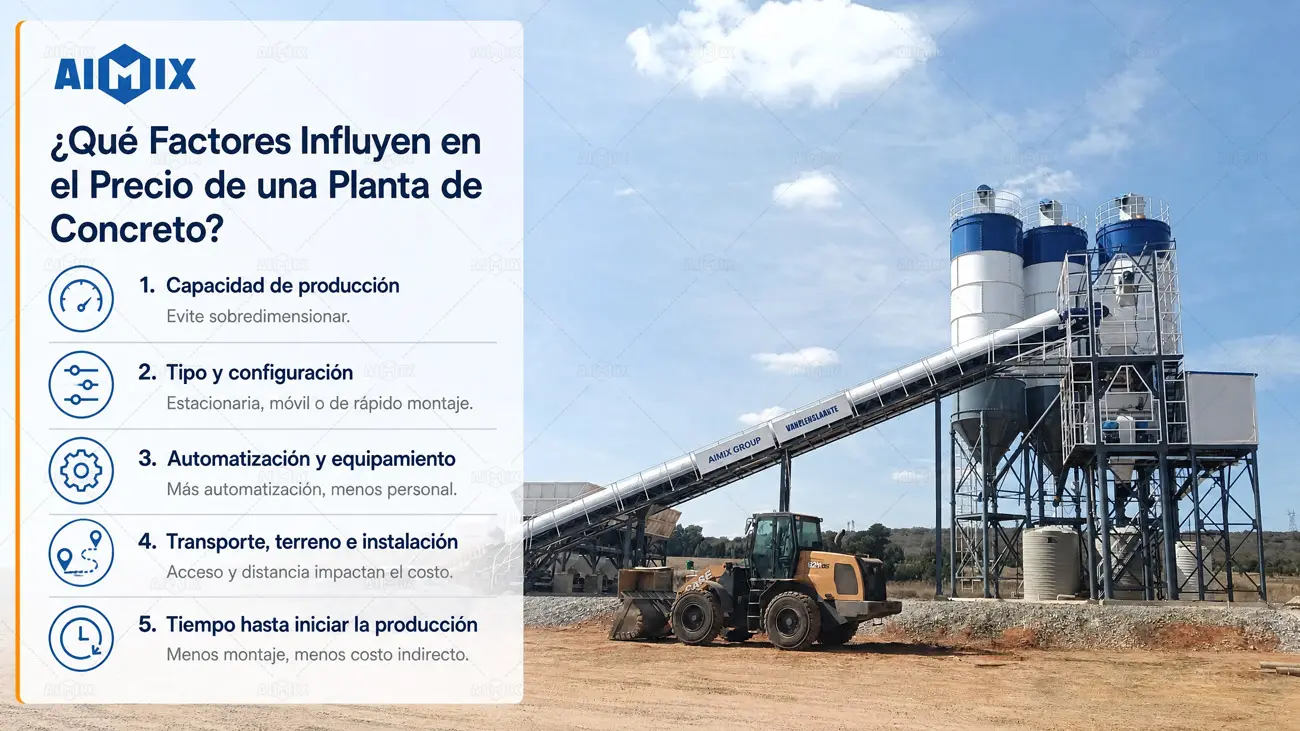
Deconstructing Energy Consumption Across Batching Workflows
Power utilization represents a major recurring expenditure in modern concrete manufacturing. Energy expenses vary based on mixer motor horsepower, material handling methods, and local grid tariffs or fuel logistics.
Electricity and Diesel Power Demands
Mixing machinery relies heavily on consistent electrical supply or industrial generators to process dense aggregates and viscous cement binders:
-
Pumping and Pneumatic Conveying: Transferring cementitious powders into silocore systems consumes substantial electrical current, requiring balanced power loading during peak batch cycles.
-
Mixer Drive Systems: Twin-shaft and planetary mixers require sustained power inputs during high-shear blending phases to achieve structural homogeneity.
-
Aggregate Belt Feeders: Continuous incline conveyors draw steady power when moving heavy stone and sand loads to the weigh hoppers.
Deploying an energy-efficient mobile concrete plant(planta de hormigón móvil) helps sites operating in off-grid environments minimize diesel fuel consumption per batching cycle, significantly lowering site overheads.
Regional Infrastructure Factors Influencing Energy Costs
Energy tariffs fluctuate significantly across geographic locations. Projects operating remote resource sites, such as industrial concrete plants in Chile, often rely on temporary high-capacity generators. Local fuel logistics, altitude adjustments, and ambient temperature demands for aggregate heating or water chilling directly impact kilowatts consumed per cubic meter produced.
Labor Efficiency and Workforce Optimization Frameworks
Direct labor expenses extend beyond baseline hourly wages. Modern plant operations rely on lean, tech-enabled crews to manage production schedules while maintaining strict quality parameters.
Modern Automation and Crew Allocation
Automation software has transformed workforce demands across modern production plants. Manual operations require distinct crews for batch weighing, moisture sampling, and gate discharge:
-
System Operators: Oversee digital batching consoles, verifying mix proportions and real-time moisture compensation settings.
-
Quality Control Technicians: Conduct slump testing and sample collection to verify compressive strength parameters.
-
Ground Maintenance Crews: Perform continuous daily washdowns and material clearance around hopper bins and discharge chutes.
Investing in an automated concrete plant for sale allows companies to run operations with fewer manual workers, reducing direct labor overhead while improving batch accuracy.
Flexible Site Deployment and Labor Mobility
Project scale and location influence crew structures. For contractors managing infrastructure projects spanning multiple geographic points, deploying a versatile mobile concrete plant allows core operating crews to move alongside production assets, eliminating the need to recruit and train local operators for every new site phase.
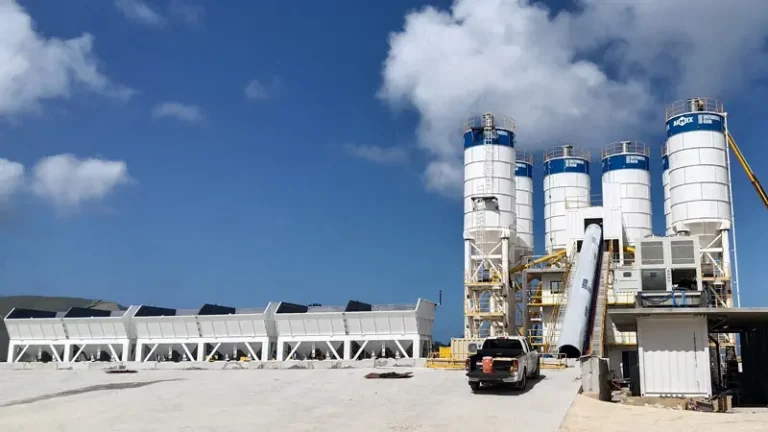
Preventive Maintenance Protocols and Component Wear Analysis
Wear and tear is an inevitable aspect of processing abrasive raw materials. Establishing structured preventive maintenance routines prevents costly unscheduled downtime and extends machinery service life.
High-Wear Components and Replacement Cycles
Abrasive sand and coarse aggregates cause structural erosion across several critical component zones:
Primary Wear Zones
-
Mixer Liners and Mixing Blades: Require frequent inspection and periodic replacement to maintain proper clearance and mixing action.
-
Discharge Gates and Seals: Suffer constant abrasive friction, requiring regular lubrication and seal replacements to prevent material leakage.
-
Conveyor Belts and Idler Rollers: Subject to tension stress and dust accumulation, requiring continuous alignment checks.
Regional Supply Chains for Replacement Spare Parts
Maintaining operational continuity depends heavily on rapid parts availability. Contracting operations relying on concrete plants in Chile(plantas de hormigón en Chile) must partner with regional equipment suppliers that carry local inventories of wear liners, load cells, and pneumatic valves to avoid lengthy international shipping delays.
Sourcing a robust mobile concrete plant built with standard global components allows site technicians to source replacement fittings locally, ensuring quick field repairs.
When reviewing any commercial concrete plant for sale, estimating total lifecycle maintenance reserves ensures realistic financial projections throughout the equipment's operational lifetime.
Strategic Cost Optimization Guidelines for Site Managers
To lower running expenses without compromising material output quality, project directors should implement targeted operational controls.
-
Optimize Batch Cycles: Synchronize mixing schedules with concrete delivery trucks to eliminate mixer idling time and reduce fuel waste.
-
Calibrate Sensors Frequently: Conduct routine scale and moisture meter calibrations to prevent over-dosing expensive cement powders.
-
Establish Localized Support: Whether running stationary units or deploying concrete plants in Chile, secure service level agreements with regional technicians for emergency repairs.
By continuously auditing energy metrics, optimizing crew efficiency, and enforcing proactive component maintenance, construction companies can drive down production expenses and maximize return on operational investments.
Posted by: aimixmaquina at
02:34 AM
| No Comments
| Add Comment
Post contains 809 words, total size 8 kb.
October 15, 2026
The modern construction landscape is shifting toward rapid deployment, automated calibration, and intelligent pre-assembled machinery. For years, setting up a heavy industrial facility involved weeks of manual alignment, complex electrical wiring, and dedicated engineering teams residing on-site for months. However, the introduction of next-generation equipment like our brand-new AJQ series modular batching plants has transformed this operational paradigm. Contractors evaluating an AJQ70 compact concrete plant(AJQ70 planta compacta de concreto) frequently ask whether traditional on-site engineering presence is still mandatory during the final commissioning phase. While factory pre-calibration and smart automation have drastically reduced installation hours, professional commissioning guidance remains a pivotal investment for ensuring long-term batching precision, regulatory compliance, and operational safety.
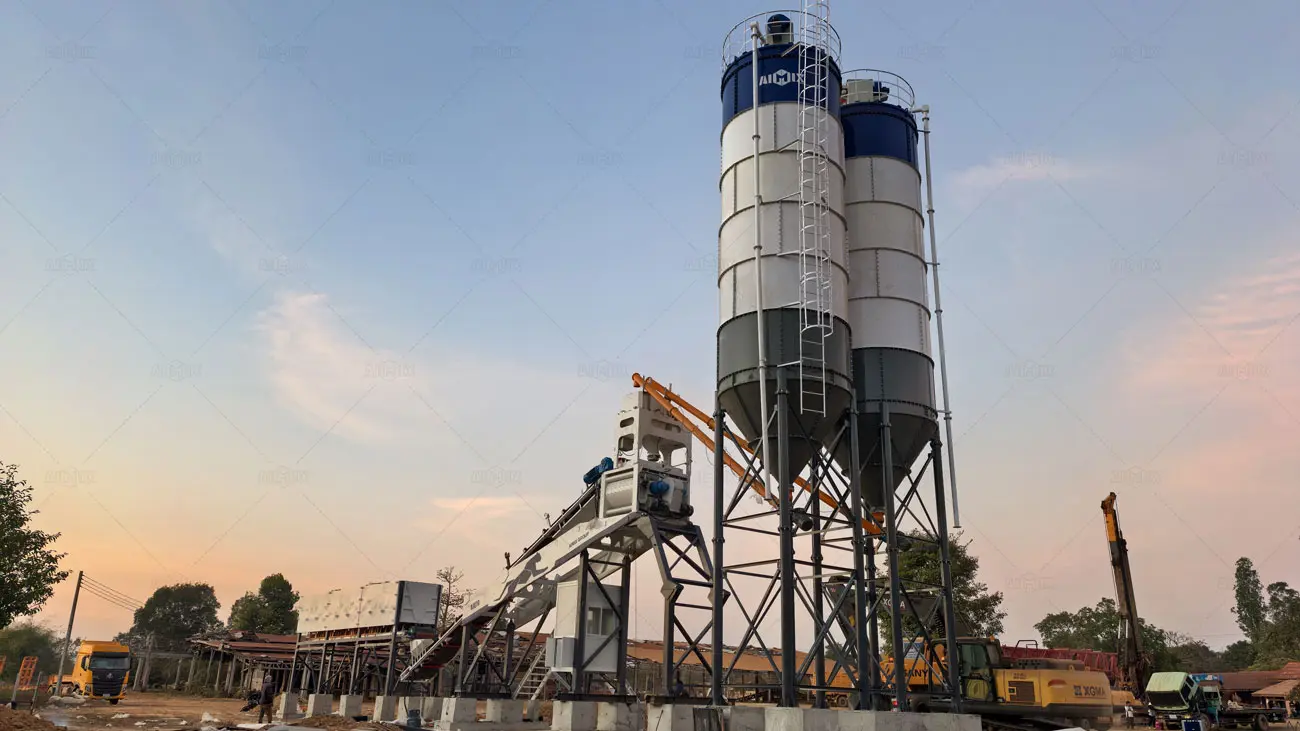
The Evolution of Quick-Install Engineering: Factory-Tested vs. Site-Verified
Traditional setups required engineers to build electrical cabinets, calibrate load cells, and test mechanical drives directly in the field. Modern pre-wired systems have revolutionized this workflow, making equipment deployment far more straightforward.
Factory Pre-Assembly and Smart Diagnostics
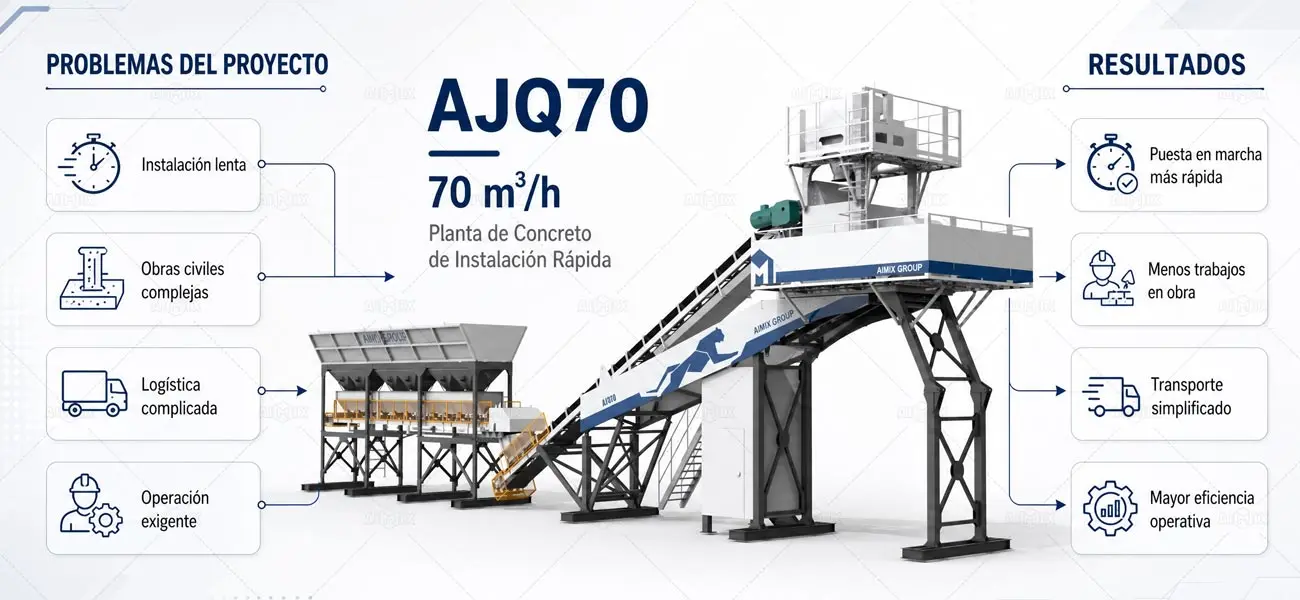
Our innovative AJQ series utilizes plug-and-play connections and pre-tested mechanical modules. When setting up an AJQ70 compact concrete plant, every aggregate bin, weighing belt, and mixing module undergoes preliminary electrical and hydraulic verification prior to dispatch.
-
Pre-configured wiring harnesses eliminate complex electrical mapping on-site.
-
Factory-calibrated load cells ensure that basic weighing routines function immediately out of the box.
-
Integrated digital diagnostic software performs self-checks before raw materials enter the mixing drum.
This plug-and-play architecture significantly simplifies mechanical setup for any contemporary ready-mix concrete plant(planta de concreto premezclado), allowing contractors to complete structural assembly faster than ever before.
Why On-Site Calibration Remains Critical
Despite high levels of factory automation, physical site conditions introduce variables that no factory test can fully replicate. Ground stability, localized electrical fluctuations, and local aggregate grading directly impact equipment calibration. Whether an enterprise operates a large facility or is installing a localized concrete plant for sale in Peru, localized calibration ensures the batching software accounts for local moisture content, specific gravity of regional stone, and regional power grid variances.
Operational Pillars of Modern Engineering Commissioning
When skilled technical engineers oversee the post-installation phase of an AJQ70 compact concrete plant, their role extends beyond merely turning on the machine. Their focus pivots toward optimizing system performance, material accuracy, and software integration.
High-Precision Weighing System Calibration
Producing high-performance concrete requires strict adherence to mix designs. Commissioning engineers perform dynamic calibration using certified test weights to fine-tune system responsiveness:
-
Aggregate Scale Tuning: Adjusting gate opening speeds to prevent over-shooting raw material target weights.
-
Liquid Dosing Calibration: Fine-tuning pulse meters and flow sensors for water and chemical additives.
-
Cement Scale Sensitivity: Ensuring micro-vibrations from nearby machinery do not compromise load cell accuracy.
This detailed fine-tuning ensures that every modern ready-mix concrete plant achieves consistent structural strength and minimizes material waste.
Software Customization and Control Interface Setup
Modern mixing facilities rely on advanced central control software. During commissioning, engineers customize the operating system to match specific project workflows. For teams establishing a concrete plant for sale in Peru(venta de planta de concreto en Perú), engineers configure localized user interfaces, set up customized batch reporting protocols, and integrate remote troubleshooting modules so local operators can manage daily tasks seamlessly.
Maximizing Operational ROI with Hybrid Commissioning Models
To give contractors maximum flexibility and speed, our AJQ series supports a hybrid commissioning framework combining remote digital guidance with targeted on-site engineering support.
Interactive Remote Commissioning
For standard sites with experienced mechanical crews, remote augmented-reality commissioning provides real-time guidance:
-
Cloud-Connected Telemetry: Engineers review sensor data, load cell feedback, and motor performance remotely.
-
Live Video Audits: Technical specialists inspect torque settings, mechanical alignments, and safety switches.
-
Parameter Push: Revised firmware and calibration tables are uploaded directly to the machine via cloud interfaces.
This model allows an AJQ70 compact concrete plant to achieve operational readiness in record time while keeping initial deployment costs low.
On-Site Engineering Support for Complex Projects
For large-scale civil engineering projects, mega-infrastructure installations, or remote deployments, having an engineer on-site offers unmatched reassurance. In rugged topographies where companies deploy a concrete plant for sale in Peru, on-site specialists handle challenging variables like high-altitude power drops, erratic water pressure, and specialized aggregate blends, transforming a potential bottleneck into a smooth operational launch.
Unlocking Peak Performance for Your Next Concrete Facility
The role of engineers during post-installation commissioning has evolved from manual labor to high-level strategic optimization. Equipment innovations like our AJQ series dramatically shorten setup timelines, but expert technical guidance during commissioning bridges the gap between mechanical installation and peak profitability. Whether you are expanding a commercial ready-mix concrete plant fleet or deploying a versatile AJQ70 compact concrete plant for high-mobility infrastructure, leveraging professional commissioning services guarantees high-precision batching, extended machine longevity, and immediate compliance with strict concrete standards. Investing in proper system tuning today establishes the foundation for reliable, profitable concrete production across all your future construction endeavors.
Posted by: aimixmaquina at
02:46 AM
| No Comments
| Add Comment
Post contains 814 words, total size 8 kb.
October 09, 2026
Selecting equipment for road and bridge construction projects requires looking far beyond a manufacturer’s brochure. When project managers calculate output schedules, they often focus strictly on rated hourly tonnage. However, actual productivity depends on a complex web of environmental, logistical, and mechanical variables that dictate real-world output.
Understanding what truly controls production rates enables site managers to eliminate bottlenecks, minimize downtime, and maintain high-grade pavement quality. Whether operating in dense urban centers or remote mountain passes, evaluating an asphalt mixing plant demands a multi-dimensional approach that spans thermal dynamics, software precision, and site logistics.

Beyond Rated Tonnage: The Dynamic Reality of Plant Output
A standard asphalt mixing plant(planta mezcladora de asfalto) is typically rated by its theoretical peak output, such as 160 or 240 tons per hour. In practice, achieving this peak consistently is rare. True production capacity is limited by the slowest component in the operational chain. If the burner cannot dry damp aggregate fast enough, or if asphalt supply trucks face traffic delays, the nominal capacity becomes irrelevant.
Furthermore, project mobility plays a major role in operational efficiency. In linear road construction or short-duration bridge repair projects, setting up stationary infrastructure can cause significant delay. Utilizing a mobile asphalt plant allows contractors to relocate equipment closer to the paving site, drastically cutting hauling distance and stabilizing hourly production yields.
Geographic conditions also drastically alter equipment performance. For instance, contractors managing asphalt plants in Peru often must account for extreme elevation changes across the Andes. Higher altitudes decrease air density, directly impacting burner combustion efficiency and draft fan performance, which in turn recalculates total output capacity.
Thermal Energy and Aggregate Moisture Control
The primary bottleneck in hot mix production is almost always thermal energy transfer—specifically, removing moisture from aggregate materials.
Aggregate Moisture Content and Dryer Drum Dynamics
Water absorption in virgin aggregate acts as an energy sink. A single percentage point increase in aggregate moisture can reduce plant output by 10% to 15% because the dryer drum must consume significantly more thermal energy to vaporize the extra water before the material reaches mixing temperature.
Burner Efficiency and Exhaust Air Handling
To maintain target production rates when dealing with wet aggregate, the combustion burner and exhaust baghouse must operate in perfect synchronization. If the burner capacity is maximized but the exhaust fan cannot clear the moisture-laden gas stream, the dryer drum will flood, forcing operators to turn down the cold feed system.
Mix Design Complexity and Modern Automation
Modern road specifications demand highly tailored asphalt formulations, including modified binders, recycled asphalt pavement (RAP), and warm-mix additives. Each added variable influences cycle times.
Batching Precision versus Continuous Mixing
In batch-type plants, every aggregate size, mineral filler, and liquid asphalt dose must be individually weighed before dropping into the pugmill. Advanced control software can optimize scale stabilization times, shaving seconds off each batch cycle. Over a ten-hour shift, saving three seconds per batch translates to dozens of additional tons of finished hot mix from your asphalt mixing plant.
High-Percentage RAP Processing
Integrating RAP requires careful thermal management to prevent bitumen aging while ensuring thorough heat transfer. Plants equipped with dedicated RAP dryers or specialized collar feed systems can sustain high production levels even when producing mixes containing 30% or more recycled content.
Micro-Logistics, Elevation, and Site Integration
Even a perfectly calibrated plant cannot produce at full capacity if the site infrastructure fails to support continuous material movement.
High-Altitude Combustion and Atmospheric Drag
As noted with asphalt plants in Peru, mountain terrain introduces unique thermodynamic challenges. Lower atmospheric pressure limits oxygen availability for the burner, requiring custom air-to-fuel ratio tuning or upgraded draft fans. Ignoring elevation impacts can lead to incomplete combustion, wasted fuel, and an unintended 20% drop in overall plant output.
Haul Fleet Synchronization and Surge Storage
Continuous production relies on continuous discharge. Installing high-capacity surge storage silos provides a crucial buffer between the mixing tower and the transport fleet. When hauling distances vary, an agile mobile asphalt plant(planta de asfalto móvil) supported by adequate silo capacity prevents plant shutdowns caused by waiting trucks.
Strategic Considerations for Maximizing Daily Throughput
Optimizing capacity requires analyzing the entire production ecosystem rather than focusing solely on mechanical specifications.
To maintain maximum real-world throughput across diverse project sites:
-
Pre-screen and cover aggregate stockpiles to minimize moisture retention.
-
Calibrate burner airflow to match local elevation characteristics, particularly for high-altitude installations like asphalt plants in Peru(plantas de asfalto Perú).
-
Leverage a mobile asphalt plant for decentralized projects to reduce transit times and maintain mix temperature.
-
Implement real-time digital monitoring on your asphalt mixing plant to identify batch cycle micro-delays before they impact daily targets.
By viewing production capacity as a flexible, system-wide variable rather than a fixed rating, civil engineers and pavement contractors can ensure consistent supply, lower operating costs, and long-term project success.
Posted by: aimixmaquina at
02:45 AM
| No Comments
| Add Comment
Post contains 807 words, total size 7 kb.
September 18, 2026
Expanding transport networks, urban growth, and major energy developments across Latin America have created an unprecedented demand for high-quality construction aggregates. From mountain highway expansion projects in Colombia and Peru to rural railway developments in Brazil and Mexico, contractors frequently operate in isolated geographical regions far removed from established commercial quarries. Transporting millions of tons of heavy unprocessed rock over hundreds of miles significantly drives up operational expenses and consumes project budgets through fuel tariffs, truck fleet maintenance, and driver labor.
To overcome these severe logistical hurdles, progressive infrastructure and mining companies are abandoning traditional centralized processing models. Deploying a high-performance mobile stone crushing plant(planta de trituración de piedra) directly at local rock extraction sites allows contractors to process material on-location. This shift transforms long-distance material logistics into a streamlined, highly profitable localized processing workflow.

The High Cost of Material Transportation in Latin America
Fuel Consumption and Haulage Expenses
In large-scale infrastructure projects, hauling uncrushed rock from distant quarry faces to job sites represents one of the single largest ongoing operational expenditures. Heavily loaded dump trucks navigating mountain passes or unpaved rural access roads require massive amounts of diesel fuel. Transitioning to local material processing using a decentralized aggregate crushing plant reduces truck transit requirements, cutting fuel consumption and dramatically lowering the net cost per ton of finished material.
Fleet Maintenance and Highway Tolls
Continuous heavy haulage accelerates vehicle depreciation, requiring frequent tire replacements and engine overhauls across delivery fleets. Additionally, long-distance transport routes across major Latin American corridors subject operators to cumulative highway tolls and strict regional weight regulations. Utilizing mobile processing equipment near the construction site minimizes haul routes to internal access roads, significantly reducing fleet wear and eliminating public road transit fees.
Key Mechanics of Mobile On-Site Processing
Immediate Size Reduction at the Extraction Face
Mobile units operate directly at the quarry face or road construction cut. By processing raw boulder feed into calibrated crushed stone immediately after blasting or excavation, operators eliminate the need to transport bulky uncrushed material. Utilizing a heavy-duty limestone crusher onsite allows contractors to process abundant local sedimentary deposits into high-grade base course material, road sub-base, and concrete sand right where it is needed.
Flexibility Across Diverse Deposit Types
Latin America features diverse geological formations, ranging from abrasive granite and basalt to soft limestone and river gravel. Modern mobile processing units adapt quickly to varying feed specifications. Whether configured with jaw, cone, or impact crushing units, a versatile stone crushing plant can process locally available deposits without requiring permanent civil foundations, allowing contractors to move equipment seamlessly as project miles progress.

Practical Operational Steps for Maximum Efficiency
Rapid Commissioning and Relocation Logistics
Unlike stationary facilities that require extensive foundation construction and months of assembly, track-mounted and wheel-mounted equipment can be commissioned within hours of arriving on site. This mobility enables contractors to establish a temporary aggregate crushing plant(planta chancadora de áridos) for a specific highway segment and relocate the entire processing line once that section is completed.
Best Practices for Field Optimization
To maximize return on investment and maintain smooth production rates in remote job sites, quarry operators and civil contractors should implement specific operational controls:
-
Match Crusher Types to Local Geology: Pair primary jaw units with a secondary limestone crusher(trituradora de piedra caliza) or impact unit based on the abrasiveness and hardness of the local rock source.
-
Automated Closed-Loop Screening: Implement integrated vibrating screens on mobile units to recirculate oversized rock directly back to the crushing chamber, ensuring strict aggregate sizing without manual handling.
-
Continuous Stockpile Management: Position radial stackers strategically around the stone crushing plant to prevent material compaction and streamline loader pickup routes.
Strategic Outlook for Regional Contractors
Resolving long aggregate transportation distances is critical for maintaining project profitability and meeting tight completion schedules across Latin America. By shifting from centralized quarry sourcing to on-site processing with a mobile aggregate crushing plant, infrastructure contractors significantly reduce fuel expenses, minimize fleet downtime, and lower landed material costs. As regional civil works expand into increasingly remote areas, adopting flexible mobile crushing solutions provides a sustainable competitive advantage for forward-looking mining and construction companies.
Posted by: aimixmaquina at
03:46 AM
| No Comments
| Add Comment
Post contains 698 words, total size 6 kb.
September 14, 2026
Executing infrastructure and mining projects in high-altitude, mountainous regions presents unique engineering and logistical hurdles. Mining aggregate suppliers and road contractors frequently face severe terrain constraints when importing heavy equipment to remote job sites. Among these assets, moving a full-scale asphalt plant(planta de asfalto) into mountainous terrain represents one of the most difficult phases of project execution. While ocean transport and highway transit from sea ports are generally straightforward, the final stretch of movement—often referred to as last-mile transport—frequently poses the greatest risk of delays and unexpected costs.
In countries with rugged geography, such as Andean project sites requiring an asphalt plant Ecuador contractors operate, the last-mile passage involves navigating narrow unpaved passes, low bridge weight limits, and sharp hairpin turns. Ensuring that equipment arrives intact and operational demands specialized logistics planning, smart equipment selection, and tight integration with local aggregate production operations.
Understanding Last-Mile Challenges in Mountainous Terrain
Steep Incline and Turning Radius Limitations
Heavy machinery transport trucks face extreme traction challenges on unpaved mountain grades exceeding ten percent incline. Standard transport trailers carrying heavy mixer drums, burner units, and cold feed hoppers require substantial clearance and wide turning radii. When transporting an imported asphalt plant across mountainous passages, tight hairpin turns often force transport vehicles into dangerous maneuvers, risking equipment rollover or road blockages that completely halt project timelines.
Infrastructure Bottlenecks and Remote Logistics
Mountainous access routes frequently lack engineered bridges or reinforced culverts capable of bearing super-heavy loads. Temporary bridges, narrow tunnels, and overhead electrical lines present physical barriers that can stop oversized loads in their tracks. Moreover, unpredictable weather conditions in high-altitude zones increase the probability of landslides and mudslides, making long-distance transit unpredictable unless carefully managed.
Key Strategies to Overcome Last-Mile Logistics Issues
Choosing Modular and Compact Equipment Designs
One of the most effective ways to mitigate last-mile transport risk is selecting modular machinery designed specifically for rapid assembly and easy relocation. Investing in a mobile asphalt plant(planta asfáltica móvil) drastically simplifies transit because components are pre-mounted on towable chassis frames. A high-performing mobile asphalt plant reduces the total number of oversized freight permits required and allows standard heavy-duty trucks to tow major modules directly up steep mountain routes without requiring specialized multi-axle heavy haulers.
Pre-Route Surveying and Infrastructure Reinforcement
Before shipping major equipment from the port of entry to the job site, logistics teams must conduct comprehensive route surveys. Utilizing modern digital surveying tools, logistics planners can map clearance heights, bridge weight capabilities, and cornering radii along the entire transit corridor. In regions where contractors deploy an asphalt plant Ecuador infrastructure teams depend on, pre-surveying often identifies specific bridges that require temporary steel reinforcement or bypass routes through dry riverbeds during low-water seasons.
Leveraging Local Aggregates and On-Site Material Sourcing
An asphalt plant requires a steady supply of high-grade aggregate materials to produce quality mix for mountain highway construction. Positioning the asphalt production site directly adjacent to a local aggregate quarry or mining operation reduces the transport distance for raw crushed stone. Combining local aggregate extraction with a mobile asphalt plant minimizes heavy traffic on delicate mountain access roads, lowering overall operational hazards.
Practical Execution for Highland Infrastructure Projects
Step-by-Step Logistics Execution
Phase 1: Heavy Lift Planning and Weight Distribution
Dismantle oversized components into smaller, balanced loads. Distributing weight evenly across multiple smaller trucks prevents single axles from overloading fragile mountain road beds and reduces stress on temporary bridges.
Phase 2: Staged Transport and Escort Coordination
Implement staged transit schedules where components move during optimal daylight and weather windows. Pilot vehicles equipped with two-way radios must clear incoming traffic on single-lane mountain passes ahead of heavy haulers carrying main sections of the asphalt plant.
Operational Flexibility Across Mining Corridors
In mining environments where road paving progresses across extensive territory, flexibility is paramount. Using a mobile asphalt plant allows operators to relocate the mixing facility as project milestones advance. This mobility eliminates long haul distances for hot asphalt mix, preventing premature cooling of the asphalt during mountain transit and ensuring high pavement durability.
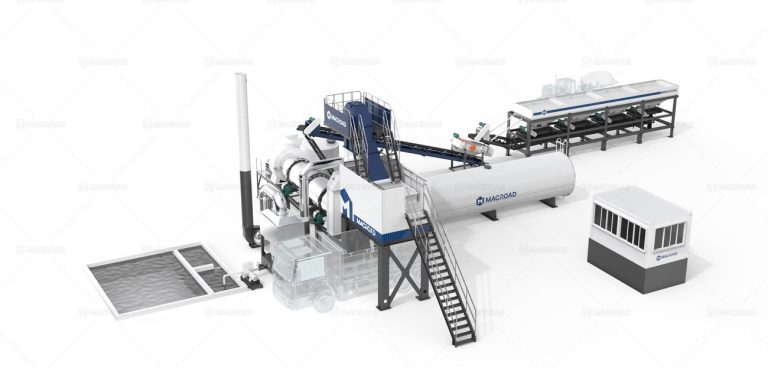
Essential Practices for Smooth Equipment Deployment
Successfully mastering last-mile transportation for heavy industrial machinery in high-altitude zones comes down to foresight and flexibility. By pairing modular equipment designs—such as a mobile asphalt plant—with rigorous pre-route engineering and strategic aggregate sourcing, infrastructure contractors can conquer tough geography. Whether delivering heavy assets to remote industrial mines or setting up an asphalt plant Ecuador(planta de asfalto Ecuador) project managers rely on in steep Andean passes, early logistics integration guarantees that heavy equipment arrives safely, stays on schedule, and yields lasting operational success.
Posted by: aimixmaquina at
03:13 AM
| No Comments
| Add Comment
Post contains 771 words, total size 7 kb.
September 10, 2026
Accurate unit cost accounting determines whether a road or bridge project generates a healthy profit or an unexpected loss. In heavy civil construction, capital machinery costs must be systematically distributed across every batch of material produced on site.
For fleet operators and civil engineers deploying an AS-MK24 new self-loading concrete mixer(AS-MK24 autohormigonera nueva), calculating precise depreciation per cubic meter is essential for competitive bidding. Understanding how equipment wear and purchase value translate into operational cost per volume helps contractors protect their margins on challenging infrastructure developments.
To establish a reliable cost baseline, project managers must analyze operational variables, equipment lifespan, and site-specific wear factors:
- Purchase Capital Base: The total delivered asset cost including freight and commissioning.
- Useful Operating Life: Expected total production volume expressed in cubic meters.
- Residual Salvage Value: Projected asset market value at the end of its useful service life.

Understanding Capital Depreciation in Concrete Equipment
Depreciation reflects the gradual reduction in asset value resulting from daily mechanical wear, operating hours, and age. Rather than treating machinery acquisition as a single lump-sum loss, project accountants allocate this cost over the total volume of concrete mixed throughout the equipment's useful lifespan.
Calculating the true depreciation cost per cubic meter requires evaluating several core financial variables:
- Initial Acquisition Cost (C): The total delivered price of the machine, including freight, import tariffs, and initial setup taxes.
- Estimated Salvage Value (S): The projected resale or scrap value of the unit at the end of its operational service life.
- Total Lifespan Production Volume (V): The total cubic meters of concrete the machine is expected to pour before major overhauls or replacement.
- Maintenance Factor Adjustment: Accounting for severe operating environments that accelerate structural wear.
When contractors invest in a self-loading mixer(mixer autocargable) for remote job sites, localized logistics heavily influence the initial capital baseline. Estimating these variables accurately ensures realistic unit pricing across multi-year contracts.
Step-by-Step Depreciation Calculation Method
To determine the exact depreciation cost per cubic meter (Dm3), contractors use a straight-line volumetric depreciation formula tailored for mobile batching assets.
Formula Breakdown
The standard equation for volumetric equipment depreciation is defined as follows:
Depreciation Cost per m3 = (Initial Purchase Cost - Salvage Value) / Total Lifetime Concrete Volume (m3)
Expressed as a standard financial equation:
Dm3 = (C - S) / V
Practical Calculation Example
Consider a contractor acquiring an AS-MK24 new self-loading concrete mixer for a highway expansion project in South America. Using real-world operational parameters, we can calculate the exact cost allocation per batch:
- Delivered Machinery Cost (C): $65,000
- Estimated Salvage Value (S): $10,000 (after 5 years or 10,000 operating hours)
- Depreciable Asset Value (C - S): $55,000
- Average Daily Output: 50 m3 per day
- Annual Working Days: 240 days per year
- 5-Year Cumulative Output (V): 60,000 m3
Applying the formula to these operating metrics yields:
Dm3 = ($65,000 - $10,000) / 60,000 m3 = $55,000 / 60,000 m3 = $0.92 per m3
In this baseline scenario, every cubic meter of concrete poured carries an equipment depreciation burden of approximately $0.92.
Factors Influencing Depreciation Rates in Extreme Operating Environments
Theoretical formulas assume consistent working conditions, but job site reality introduces environmental variables that directly alter asset longevity and production yields.
Terrain and Incline Severity
Operating a self-loading concrete mixer Paraguay(autohormigonera Paraguay) bridge projects require often involves traversing soft soil, mud, and steep embankments. Continuous high-torque hill climbing increases drive axle wear and engine load factor, slightly lowering expected lifetime volume if maintenance is neglected.
Aggregate Quality and Abrasion
Mixing highly abrasive crushed granite or unwashed river gravel accelerates wear on inner drum flights and discharge chutes. Replacing wear plates periodically maintains mixing efficiency and preserves resale value.
Operator Training and Daily Maintenance Schedules
Disciplined daily washing, grease point lubrication, and timely hydraulic oil changes prevent premature component failure. Machines maintained under strict service protocols retain a higher salvage value, directly reducing the net unit depreciation cost.

Optimizing Machine Selection to Minimize Unit Costs
Selecting durable, high-capacity equipment directly lowers depreciation expenses by increasing total lifetime output (V) and reducing unexpected repair downtime.
When civil engineering teams evaluate options for an AS-MK24 new self-loading concrete mixer, key architectural features contribute directly to extended operational life:
- Heavy-Duty Reduction Axles: Thickened wheel-side reduction gearboxes withstand high torque loads on steep inclines without gear teeth stripping.
- Dual-Circuit Braking Systems: Twin air pumps prevent brake fade and mechanical stress during downhill haulage.
- Reinforced Hydraulic Lines: Four-layer drag-chain hoses eliminate external rubbing, preventing costly fluid blowouts and drum stalling.
Deploying a robust self-loading mixer across scattered rural pour sites maximizes annual output. Spreading capital cost over a larger volume of fresh concrete reduces unit expense significantly.
For contractors sourcing a self-loading concrete mixer Paraguay suppliers distribute, evaluating structural steel thickness and engine reliability is crucial. High operational uptime ensures the unit achieves its targeted multi-year concrete production goals.
Financial Strategy for Civil Construction Assets
Controlling equipment costs requires looking beyond initial purchase tags to monitor per-unit production metrics over time. Calculating depreciation per cubic meter allows project planners to build accurate job quotes and optimize fleet allocation.
Integrating an AS-MK24 new self-loading concrete mixer into remote paving and structural foundation workflows streamlines material logistics while keeping capital unit costs predictable. By maximizing total cubic meter throughput and maintaining strict daily service routines, civil contractors lower unit depreciation costs and safeguard project profitability across long-term infrastructure contracts.
Posted by: aimixmaquina at
03:29 AM
| No Comments
| Add Comment
Post contains 905 words, total size 8 kb.
September 07, 2026
Water scarcity has become an increasingly important challenge for mining and aggregate producers in Chile and Mexico. In traditional mineral processing, grinding operations often require significant amounts of water, especially in wet grinding circuits. However, prolonged drought conditions and stricter water management policies are pushing companies to explore more efficient alternatives. Understanding different types of mills in mining(tipos de molinos en minería) has become essential for selecting grinding solutions that reduce water consumption while maintaining production efficiency.
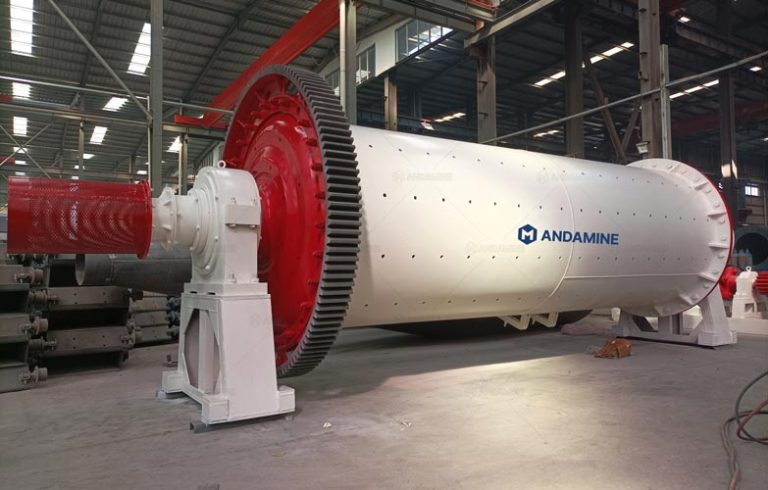
For mining projects located in water-scarce regions, dry and semi-dry grinding technologies provide new possibilities. Compared with conventional wet grinding systems, these solutions can reduce dependence on water resources and improve operational flexibility. Equipment selection, including the use of a Raymond mill or a mining ball mill, should be based on material characteristics, production requirements, and local environmental conditions.
Why Water Scarcity Is Becoming A Major Mining Challenge
Chile and Mexico are important mining countries with large-scale copper, gold, silver, and aggregate production activities. However, many mining regions face increasingly severe drought conditions, creating pressure on companies to optimize water usage throughout the production process.
Grinding is one of the most energy-intensive stages in mineral processing, and traditional wet grinding requires continuous water supply to create a suitable slurry for downstream separation.
The main challenges caused by water shortages include:
- Higher operating costs for water supply and treatment
- Restrictions on industrial water usage
- Increased competition for local water resources
- Additional investment in water recycling systems
- Operational risks during extreme drought periods
For mines located in remote areas, reducing water dependency can significantly improve project sustainability and long-term reliability.
Understanding Dry And Semi-Dry Grinding Solutions
Among the different types of mills in mining, dry and semi-dry grinding systems are increasingly considered for applications where water availability is limited.
Dry Grinding Technology
Dry grinding processes reduce or eliminate the need for water during milling. Instead of creating a slurry, the material is processed in a dry state using airflow, mechanical force, and classification systems.
The main advantages include:
- Lower water consumption
- Reduced need for water treatment facilities
- Easier operation in arid regions
- Better suitability for remote mining areas
However, dry grinding also requires effective dust control and classification systems because fine particles can create handling and environmental challenges.
Semi-Dry Grinding Technology
Semi-dry grinding uses a controlled amount of water, typically much less than traditional wet grinding systems. This approach provides a balance between reducing water consumption and maintaining stable grinding performance.
Semi-dry systems can be suitable when:
- Some moisture is needed for process stability
- Complete dry grinding is not practical
- Water recycling systems are available
- Material characteristics require limited water addition
This flexible approach allows mining operators to reduce water demand without completely changing the production process.
Selecting The Right Mill For Water-Scarce Mining Areas
Different grinding applications require different mill designs. Choosing the correct equipment depends on the ore type, required particle size, production capacity, and environmental conditions.
Raymond Mill Applications
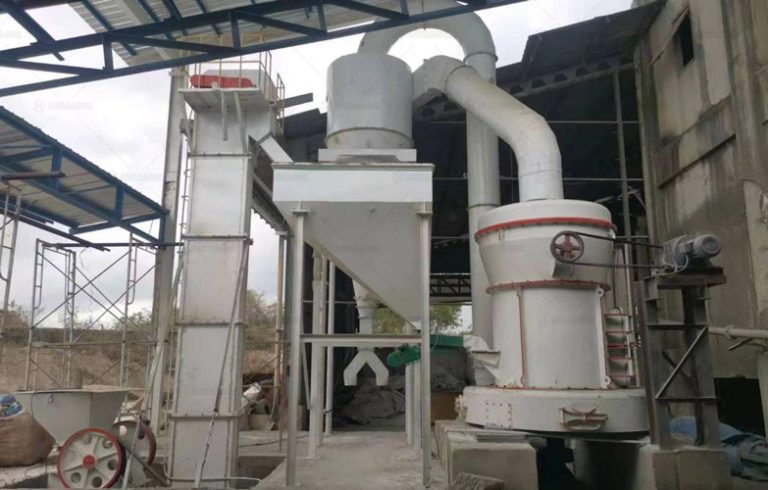
A Raymond mill(molino Raymond) is commonly used for fine grinding of non-metallic minerals and certain industrial materials. It uses rollers and a grinding ring to reduce material size while relying on airflow classification.
For dry processing applications, a Raymond mill can provide advantages such as:
- Efficient fine powder production
- Lower water requirements
- Compact installation design
- Easier operation in dry environments
It is often considered when the production target focuses on fine materials rather than large-scale mineral liberation.
Mining Ball Mill Applications
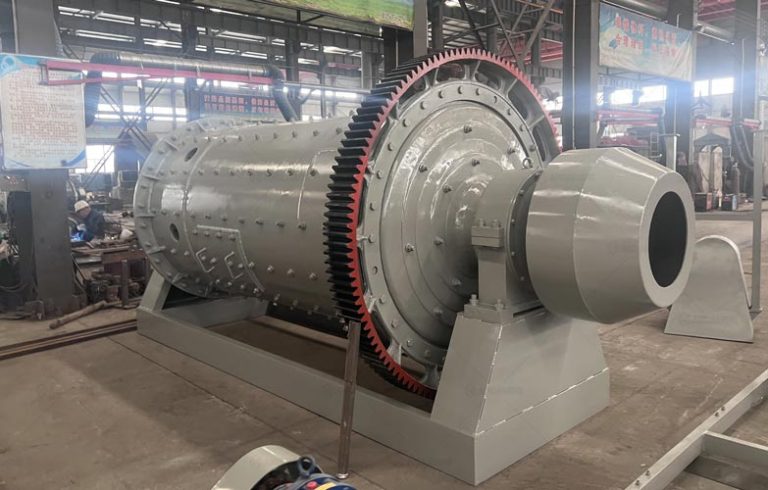
A mining ball mill remains one of the most widely used grinding machines in mineral processing. It uses grinding media inside a rotating cylinder to reduce ore size through impact and friction.
Although many ball mill(molino de bolas minería) systems operate with wet grinding, dry and semi-dry configurations can also be considered for specific applications.
A mining ball mill is suitable when projects require:
- High-volume processing
- Reliable continuous operation
- Flexible grinding performance
- Integration with existing processing systems
The final selection should consider whether water savings, energy consumption, and product requirements are balanced effectively.
Practical Considerations For Dry And Semi-Dry Mills
Switching to a lower-water grinding system requires careful evaluation rather than simply replacing equipment.
Evaluate Material Characteristics
Before selecting a mill, operators should analyze:
- Ore hardness
- Moisture content
- Required fineness
- Material abrasiveness
- Production capacity
Some materials are more suitable for dry processing, while others may require controlled moisture addition.
Improve Dust Management
Dry grinding produces more airborne particles compared with wet grinding. Effective dust collection systems are therefore essential.
Common solutions include:
- Bag filters
- Air classifiers
- Enclosed conveyors
- Dust suppression equipment
Proper dust control protects workers, improves environmental performance, and ensures stable operation.
Optimize Energy Consumption
Although dry grinding reduces water demand, energy efficiency remains an important consideration.
Operators should monitor:
- Mill loading
- Grinding efficiency
- Motor power consumption
- Product size distribution
- Equipment wear
An optimized grinding circuit can reduce unnecessary energy use while maintaining production targets.
Combining Water Saving With Sustainable Mining Practices
For mining companies in Chile and Mexico, reducing water consumption is becoming part of broader sustainability strategies.
Dry and semi-dry grinding technologies can support these goals by:
- Reducing freshwater demand
- Lowering water treatment requirements
- Improving operation in remote areas
- Increasing resilience during drought periods
However, the best solution depends on each project's geological conditions and production objectives. There is no single mill configuration that fits every application.
Building More Resilient Grinding Operations
Extreme drought conditions are changing how mining companies evaluate processing equipment. In water-scarce regions, selecting suitable grinding technology is no longer only a technical decision but also an important factor in operational sustainability.
By comparing different types of mills in mining and evaluating solutions such as Raymond mill and mining ball mill configurations, operators can identify the most suitable approach for their specific conditions.
For Chilean and Mexican mining areas facing water limitations, dry and semi-dry grinding technologies provide practical options to maintain production efficiency while reducing dependence on valuable water resources. Through proper equipment selection, process optimization, and environmental management, mining operations can become more adaptable and sustainable in increasingly challenging climates.
Posted by: aimixmaquina at
06:10 AM
| No Comments
| Add Comment
Post contains 1008 words, total size 9 kb.
September 02, 2026
Operating asphalt mixing equipment in tropical or coastal environments presents serious operational challenges for civil engineering contractors. High ambient humidity, sudden torrential downpours, and saturated air constantly threaten delicate electrical control systems, programmable logic controllers (PLCs), and sensor networks. When atmospheric moisture penetrates electrical enclosures, oxidation and short circuits can abruptly halt mixing operations, leaving paving crews waiting and hot mix cooling inside haul trucks. Maintaining high operational uptime in an asphalt plant(planta asfáltica) operating under high relative humidity requires proactive electrical engineering solutions, robust cabinet sealing, and disciplined preventive maintenance.
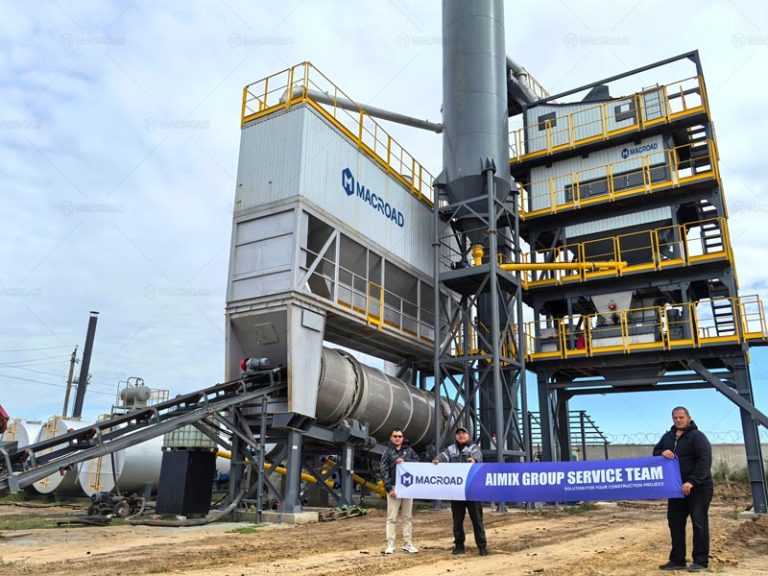
Vulnerabilities of Electrical Systems in Tropical Microclimates
Continuous moisture exposure creates insidious problems for heavy roadbuilding machinery electronics. Moisture accumulation inside control panels leads to severe copper oxidation on wiring terminals, signal distortion in aggregate batching load cells, and premature failure of main switchgear components. For contractors operating a compact small asphalt plant on remote infrastructure projects, a single blown relay or corrupted PLC signal can cause days of unexpected downtime while waiting for specialized technical support.
The problem is particularly acute in geographical regions with extreme humidity and frequent rain events. For instance, contractors managing asphalt plants in Colombia face intense tropical rain and high ambient moisture across coastal regions like Cartagena and dense rainforest corridors in the interior. In these environments, standard water-resistant enclosures are often insufficient against continuous daytime heating and nighttime condensation cycles.
Condensation Cycles Inside Control Cabinets
When ambient temperatures drop during overnight shutdowns, humid air trapped inside control cabinets condenses into liquid water droplets. This moisture collects directly on circuit boards, relays, and terminal strips. When operators power up the facility in the morning, these water droplets create direct short circuits or tracking paths across insulation barriers, blowing fuses and frying electronic control cards.
Engineering Solutions for Environmental Moisture Protection
Preventing electrical failures requires combining hardware upgrades with environmental control strategies. Infrastructure firms procuring machinery for high-humidity jobsites must evaluate whether the electrical architecture is properly equipped to handle saturated air.
Positive-Pressure Cabins and Climate Control
The most effective defense against humidity is isolating sensitive electronics from external air altogether. Modern continuous and batch mixing facilities utilize air-conditioned, positive-pressure operator cabins where the primary control panels reside. Installing closed-loop cabinet air conditioners with integrated dehumidifiers prevents moist outside air from entering PLC enclosures during daily operations.
For smaller operations, such as deploying a small asphalt plant(planta de asfalto pequeña) at localized road repair sites, installing thermostat-controlled anti-condensation heaters inside cabinets keeps internal temperatures slightly above ambient levels during overnight shutdowns, effectively preventing moisture from condensing on microcontrollers.
Sealed Junction Boxes and Industrial Marine-Grade Connectors
External wiring across aggregate cold feeders, inclined conveyors, and drying drums remains constantly exposed to ambient humidity and rain. To protect these exposed connections:
-
Upgrade external junction boxes to IP65 or IP67 ingress protection standards.
-
Use marine-grade, sealed quick-disconnect plugs for all external sensor wiring.
-
Apply dielectric grease to open terminal screws and harness sockets to block moisture film formation.
-
Utilize hermetically sealed stainless steel load cells on batching hoppers to prevent moisture-induced weight signal drift.
Contractors operating asphalt plants in Colombia often apply special anti-corrosion sprays to exposed wiring conduits, motor terminal boxes, and grounding straps to withstand high-salinity coastal humidity.
Routine Maintenance Protocols for High-Humidity Operations
Even with high-grade hardware, disciplined field maintenance is essential to prevent unexpected electrical trips during continuous production shifts.
Thermal Imaging and Visual Audits
Maintenance teams should conduct bi-weekly thermal imaging scans of main breaker panels and motor control centers while the plant is operating under full load. High-resistance connections caused by terminal oxidation generate distinct heat signatures before total failure occurs. Catching oxidized terminals early prevents localized thermal meltdowns inside control boxes.
Desiccant Management and Seal Inspections
Field crews managing a portable or small asphalt plant must inspect rubber cabinet door gaskets monthly. Damaged, cracked, or stiffened seals allow humid air into switchgear compartments. Replacing internal silica desiccant packs inside field-mounted junction boxes provides an additional layer of moisture absorption during rainy seasons.
When operating asphalt plants in Colombia(plantas de asfalto Colombia) or similar humid tropical zones, establishing a routine to clean fine aggregate dust from motor cooling fins and electrical cabinet filters ensures proper heat dissipation without trapping moisture against metal housing.
Strategic Operational Guidelines for Reliable Power Systems
Safeguard your paving project schedule against moisture-induced electrical failures by implementing these strategic measures:
-
Specify IP67-rated electrical components and positive-pressure control cabins during initial plant procurement.
-
Install thermostat-controlled anti-condensation heaters inside all external electrical cabinets on every asphalt plant in your fleet.
-
Maintain a local inventory of critical spare sensors, relays, and pre-wired cable harnesses to minimize downtime if a small asphalt plant experiences electrical isolation faults.
-
Implement mandatory daily visual checks of door seals, conduit drain plugs, and cabinet dehumidifiers before initiating daily batching operations.
By investing in robust environmental sealing and implementing rigorous field maintenance protocols, road construction contractors operating asphalt plants in Colombia and other humid tropical regions can eliminate moisture-related electrical failures, protect capital assets, and maintain continuous material delivery across demanding highway construction projects.
Posted by: aimixmaquina at
02:54 AM
| No Comments
| Add Comment
Post contains 851 words, total size 8 kb.
August 28, 2026
In the rapidly evolving road, bridge, and general civil building sectors, small and medium-sized contractors must balance capital expenditure against daily jobsite productivity. Deploying a self-loading concrete mixer provides construction teams with an versatile mobile solution that handles aggregate loading, weighing, mixing, and localized concrete delivery in a single machine. By eliminating reliance on third-party batching plants and remote delivery fleets, contractors maintain direct control over project schedules and material quality.
When expanding fleet capabilities, evaluating the self-loading concrete mixer price(hormigonera autocargable precio) across different capacity tiers is a critical step in equipment procurement. Purchasing a machine that is either underpowered or excessively large leads to operational inefficiencies and slow capital recovery. Understanding how drum volume, mechanical specifications, and site demands influence costs allows project managers to select the most cost-effective machine for their specific project pipeline.
Compact Capacity Models for Small-Scale Civil Works
Compact self-feeding concrete mixers, generally offering output volumes between 1.2 and 2.0 cubic meters per batch, are specifically designed for localized construction environments. These compact units excel on narrow rural road paving projects, small residential foundations, culvert construction, and urban repair sites where maneuverability is paramount.
For growing contractors entering regional civil markets, comparing popular self-loading concrete mixer models in this entry-level class reveals a low barrier to financial entry. The lower self-loading concrete mixer price associated with smaller drum capacities allows contractors to transition away from manual mixing without incurring excessive debt. Furthermore, compact machines feature lower fuel consumption rates and simplified hydraulic systems, keeping daily operating expenses minimal while providing steady daily concrete volume.
Mid-Range Capacity Models for Regional Infrastructure Projects
Mid-capacity units, typically ranging from 2.6 to 3.5 cubic meters per batch, represent the most widely deployed fleet category in road and bridge construction. These machines balance substantial daily concrete output with dynamic off-road mobility, making them ideal for multi-site project operations.
-
Ideal Application Scope: Medium-sized contractors managing simultaneous foundation pours, municipal street widenings, and multi-story building frames benefit greatly from mid-size output.
-
Operational Efficiency: A single mid-range self-loading concrete mixer(hormigonera autocargante) can produce between 100 and 140 cubic meters of fresh concrete per shift, satisfying high-demand pour schedules without requiring extra transport vehicles.
-
Investment Balance: While the self-loading concrete mixer price for mid-size units is higher than entry-level alternatives, the increase in daily output significantly reduces cost-per-cubic-meter produced, accelerating equipment payback.
Contractors exploring popular self-loading concrete mixer models in this segment often find that the added productivity yields the fastest operational return on investment across typical regional infrastructure contracts.
Heavy-Duty High-Capacity Models for Major Infrastructure
High-capacity mobile mixers delivering 4.0 to 5.5 cubic meters per batch are built for heavy civil engineering, highway paving, dam construction, and major bridge pier installations. These heavy-duty machines feature high-horsepower engines, reinforced structural chassis, and high-torque four-wheel-drive systems capable of navigating steep gradients and soft terrain while fully loaded.
Because these large units require industrial-grade hydraulic pumps, multi-axis slewing mechanisms, and advanced load-cell batching systems, the initial capital expenditure is higher. However, for large contractors executing continuous, high-volume concrete pours in remote regions, investing in a high-output self-loading concrete mixer guarantees continuous site independence and eliminates expensive supply chain delays.
Core Factors Influencing Machine Valuation Across Capacities
Beyond drum size, several technical specifications directly impact procurement pricing across all machinery tiers.
Engine Standards and Hydraulic Components
The choice of engine brand and emission compliance significantly influences pricing. Machines equipped with international tier-rated engines and premium hydraulic pumps command a higher purchase price but deliver superior operational reliability, lower fuel consumption, and accessible spare parts.
Automation and Precision Batching Systems
Integrated electronic weighing systems, aggregate load sensors, and onboard mix-report printers add value to any self-loading concrete mixer. Modern engineering standards require strict concrete mix ratios, and investing in precise batching technology prevents costly material waste and structural re-work.

Strategic Guidelines for Fleet Investment
Selecting the right self-feeding mixer requires matching equipment capacity to your realistic two-to-three-year project pipeline. Purchasing a unit based solely on the lowest self-loading concrete mixer price can result in frequent mechanical downtime if the machine is pushed beyond its design limits on demanding job sites. Conversely, over-specifying capacity for small-scale projects ties up valuable capital in underutilized equipment.
Contractors should analyze average daily concrete demands, terrain conditions, and local transport logistics before finalizing procurement. Exploring established, popular self-loading concrete mixer models(modelos populares de autohormigonera) backed by reliable dealer support, accessible maintenance documentation, and strong secondary market resale value ensures long-term operational success and maximum fleet profitability.
Posted by: aimixmaquina at
03:51 AM
| No Comments
| Add Comment
Post contains 755 words, total size 7 kb.
August 25, 2026
In modern aggregate production, consistency and operational safety are just as important as crushing capacity. A PLC-controlled stone crushing plant can coordinate feeders, crushers, screens, conveyors, and other auxiliary equipment through a centralized control system. This reduces dependence on manual intervention and helps operators maintain more stable production conditions.
For quarry owners and contractors comparing stone crusher prices Peru, automation is increasingly worth considering as part of the total investment. A lower equipment price may appear attractive initially, but frequent operator errors, unstable feeding, unnecessary downtime, and inefficient equipment coordination can increase operating costs over the plant's service life.
PLC control does not mean eliminating operators. Instead, it allows operators to focus on monitoring production and responding to abnormal conditions while the control system handles repetitive sequences and interlocks. The result can be a more predictable and manageable crushing process.
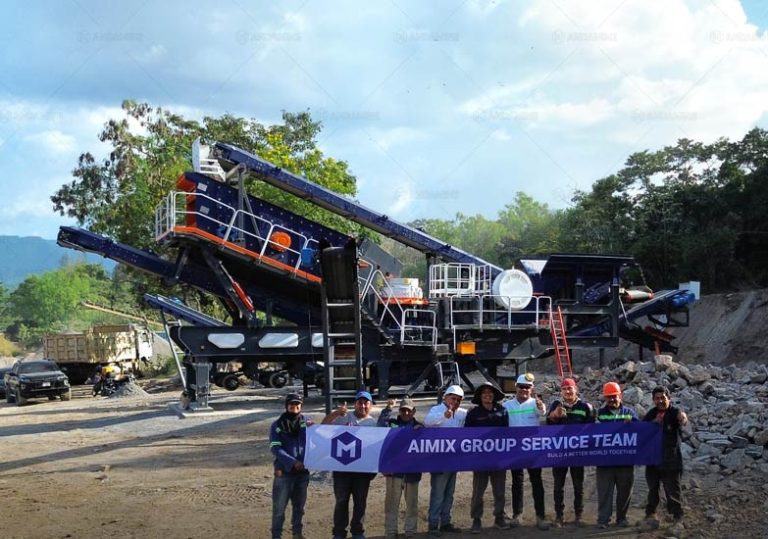
How PLC Control Works In A Crushing Plant
A Programmable Logic Controller (PLC) receives signals from sensors and operating components throughout the crushing line. It processes these signals according to programmed logic and sends commands to motors, feeders, conveyors, crushers, and other equipment.
Coordinating Multiple Machines
A typical automated stone crushing plant(planta trituradora) may coordinate:
- Vibrating feeder
- Jaw crusher
- Cone or impact crusher
- Vibrating screen
- Belt conveyors
- Dust-control equipment
- Lubrication systems
- Safety and emergency-stop devices
Instead of requiring operators to start each machine independently, the PLC can follow a defined startup and shutdown sequence.
This coordination is especially useful when the crushing line contains several interconnected machines.
Why PLC Control Can Reduce Human Error
Human error does not necessarily mean poor operator performance. Crushing plants involve repetitive tasks, complex equipment relationships, and rapidly changing operating conditions. Even experienced operators can make mistakes when working under pressure.
Preventing Incorrect Startup Sequences
Starting downstream equipment before upstream conveyors or screens are ready can create material accumulation. A PLC-based system can establish logical interlocks so that equipment starts in a predetermined sequence.
Similarly, during shutdown, the system can continue running selected conveyors for a defined period to clear residual material.
Monitoring Abnormal Conditions
Sensors can monitor operating parameters such as:
- Motor current
- Bearing temperature
- Lubrication pressure
- Belt movement
- Material level
- Crusher load
- Equipment status
When a parameter exceeds a predefined limit, the PLC can trigger an alarm or stop relevant equipment.
This provides an additional layer of protection against operating conditions that might otherwise be missed.
More Stable Feeding And Crushing
Feeding consistency has a direct effect on crushing efficiency. Excessive feed can overload a crusher, while insufficient feed may reduce utilization.
A PLC-controlled feeder can adjust its operation according to programmed parameters or signals from other equipment.
Why Stable Feeding Matters
A more consistent material flow can help:
- Maintain a more stable crusher load
- Reduce sudden overloads
- Improve screening efficiency
- Reduce unnecessary equipment cycling
- Support more consistent final product grading
For a stone crushing plant, automation therefore contributes not only to convenience but also to process stability.
Easier Operation For Different Skill Levels
Mining and aggregate projects may experience changes in personnel, shifts, or operator experience. A centralized PLC system can simplify routine operation by displaying equipment status and alarms through a control interface.
Operators can quickly identify which machine has stopped and check the corresponding alarm information instead of inspecting every component manually.
Centralized Control Improves Visibility
A well-designed interface can show:
- Current equipment status
- Running and stopped machines
- Alarm conditions
- Production parameters
- Motor loading
- Safety interlock status
This allows operators to make decisions based on actual operating information.
How PLC Control Can Reduce Downtime
Unexpected shutdowns are expensive because they can stop the entire production chain. PLC systems can help reduce downtime by detecting abnormal conditions earlier and coordinating equipment shutdowns.
For example, if a conveyor stops unexpectedly, the control system can stop upstream feeding equipment to prevent material from accumulating.
This type of interlocking can limit the impact of a single equipment failure.
PLC Control And Total Equipment Cost
When comparing stone crusher prices Peru(chancadora de piedra precios Perú), buyers should evaluate automation as part of the total cost of ownership rather than treating it as an optional feature.
The initial investment in PLC control may be higher than a basic manually operated system, but potential benefits can include:
- Reduced operating errors
- More consistent production
- Improved equipment protection
- Easier troubleshooting
- Lower risk of material blockage
- Better coordination between machines
- Simplified operator management
The actual return depends on production scale, labor costs, operating hours, and the complexity of the crushing line.
What Buyers Should Ask Before Ordering
Not every PLC system provides the same level of functionality. Before purchasing a stone crushing plant, buyers should ask the manufacturer:
- Which machines are controlled by the PLC?
- What operating parameters can be monitored?
- Are alarm records available?
- Can the system display fault information?
- Are safety interlocks included?
- Can operating parameters be adjusted?
- Is remote technical support available?
- Can operators receive PLC training?
These questions help distinguish a genuinely integrated control system from a basic electrical control cabinet.
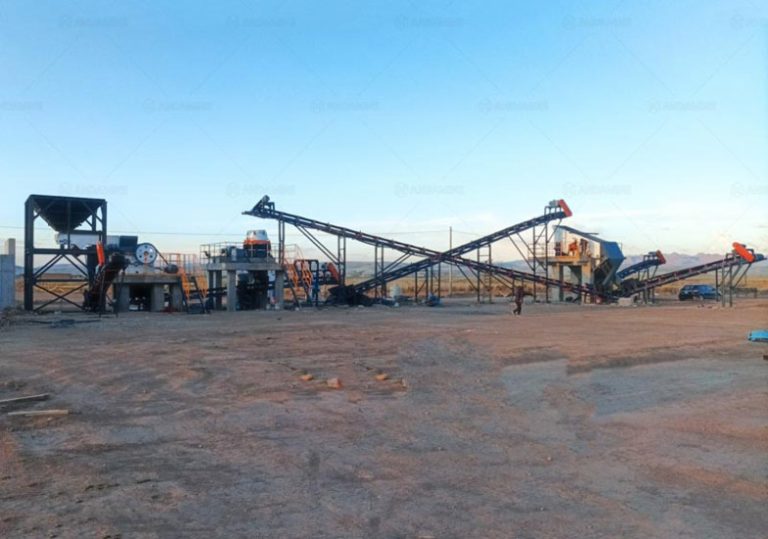
Automation Supports Better Crushing Decisions
PLC control is not simply about replacing manual buttons with a touchscreen. Its real value comes from coordinating equipment, monitoring operating conditions, preventing incorrect sequences, and providing operators with timely information.
For contractors evaluating stone crusher prices Peru, the control system should therefore be considered alongside crusher capacity, wear-part costs, energy consumption, and after-sales service.
A properly configured PLC-controlled stone crushing plant can reduce avoidable human errors while creating a more stable and predictable production environment. For modern aggregate operations, that combination of automation, equipment protection, and operational consistency can make a meaningful difference to long-term plant performance.
Posted by: aimixmaquina at
03:10 AM
| No Comments
| Add Comment
Post contains 936 words, total size 9 kb.
May 09, 2025
When it comes to purchasing a concrete pump, construction companies are often faced with the decision of whether to buy new or used equipment. Both options come with their own set of advantages and challenges, and the right choice depends on a variety of factors such as budget, project needs, and long-term goals. In this article, we will explore the key considerations involved in deciding whether to buy a new or used concrete pump, and provide insights into how to make the best choice for your business.

Factors to Consider Before Buying a Concrete Pump
Purchasing a concrete pump(bomba de concreto precio) is a significant investment for any construction company, and it’s important to carefully evaluate the different options available. Concrete pumps come in various types, including stationary pumps, boom pumps, and portable concrete pumps. Each type serves different purposes and is suited for specific applications, so understanding your project's needs is crucial. In addition to considering the type of pump, other factors such as the cost, frequency of use, and reliability should also influence your decision.
The Pros and Cons of Buying a New Concrete Pump
A new concrete pump offers several advantages, particularly when it comes to reliability and warranty coverage. However, it also comes with a higher initial price tag. Here are the main pros and cons of buying a new concrete pump:
Pros of Buying a New Concrete Pump
-
Warranty and Support: One of the biggest advantages of purchasing a new concrete pump is the warranty. This ensures that if any issues arise, you can rely on the manufacturer to cover repairs and maintenance, often at no additional cost for a specified period. This can significantly reduce long-term maintenance expenses.
-
Latest Technology and Features: New concrete pumps come with the latest technology, offering improved performance, fuel efficiency, and reduced emissions. They are often equipped with advanced features like automatic control systems, improved hydraulic systems, and better safety features, making them more efficient and safer to operate.
-
Longer Lifespan: A new concrete pump typically has a longer lifespan compared to a used model. If you plan to use the pump frequently over several years, the longevity and minimal maintenance needs of a new pump can make it a better long-term investment.
Cons of Buying a New Concrete Pump
-
High Initial Cost: The most obvious downside to buying a new concrete pump is the price. New models can be quite expensive, which might strain your budget, especially if you're just starting out or have limited capital. The concrete pump price for a new model can sometimes be as high as double the price of a used unit.
-
Depreciation: Just like any other piece of heavy equipment, a new concrete pump starts to depreciate the moment it leaves the dealership. This means that if you ever need to sell it, you might not recoup as much of your investment as you would like.
The Pros and Cons of Buying a Used Concrete Pump
On the other hand, buying a used concrete pump can be a more budget-friendly option. However, it comes with certain risks and challenges that need to be carefully evaluated. Here are the main pros and cons of buying a used concrete pump(bomba para concreto portátil):
Pros of Buying a Used Concrete Pump
-
Lower Initial Cost: The biggest advantage of buying a used concrete pump is the significantly lower initial cost. You can often find used pumps that are still in good condition at a fraction of the price of a new unit. This makes it a more affordable option, especially for businesses with tight budgets or those looking for equipment for short-term projects.
-
Faster Return on Investment: Since you are paying less for a used concrete pump, you can expect a faster return on investment (ROI). The lower cost means you can start using the pump sooner and generate revenue without a long payback period.
-
Less Depreciation: A used concrete pump has already experienced some depreciation, meaning it will lose value at a slower rate compared to a new one. If you plan on reselling the pump in the future, you might retain more of your initial investment.
Cons of Buying a Used Concrete Pump
-
Higher Risk of Maintenance Issues: One of the primary drawbacks of buying a used concrete pump is the risk of maintenance problems. Used pumps may have hidden issues that could lead to expensive repairs down the line. It’s essential to thoroughly inspect the equipment and check the maintenance history before making a purchase.
-
Limited Warranty: Used concrete pumps typically don’t come with a warranty, or if they do, it’s often very limited. This means that if something goes wrong, you’ll be responsible for the repair costs. You may also face difficulty getting spare parts for older models, which can add to maintenance costs.
-
Shorter Lifespan: Even though a used concrete pump may still be functional, it’s likely to have a shorter remaining lifespan compared to a new pump. You might find yourself needing to replace it sooner than expected, which could end up costing you more in the long run.
When to Choose a New Concrete Pump vs. a Used One
The decision to buy a new or used concrete pump depends largely on your specific circumstances. Here are some scenarios to help guide your decision:
Choose a New Concrete Pump If:
-
You need the latest technology and features for your projects.
-
You plan to use the pump frequently for many years, making the long-term investment worth it.
-
You want the peace of mind of a warranty and reliable after-sales support.
-
Your budget allows for the higher upfront cost.
Choose a Used Concrete Pump If:
-
You have a limited budget and need a more affordable option.
-
The pump will be used for smaller, less frequent projects.
-
You can find a well-maintained pump with a good maintenance history.
-
You are okay with potentially higher maintenance costs in exchange for a lower purchase price.

Conclusion
Deciding whether to buy a new or used concrete pump ultimately comes down to your project needs, budget, and long-term goals. While new concrete pumps offer the advantage of the latest features and longer lifespan, used pumps provide a more cost-effective solution for those with limited funds. Regardless of which option you choose, always consider factors like maintenance, warranty, and the specific requirements of your projects. With careful evaluation and planning, you can make the right choice to optimize your construction operations.
Posted by: aimixmaquina at
03:19 AM
| No Comments
| Add Comment
Post contains 1080 words, total size 10 kb.
March 10, 2025
A ready mix concrete plant plays a crucial role in modern construction, providing high-quality concrete that is precisely batched to meet project specifications. However, ensuring that the concrete reaches the construction site in the best condition requires an efficient transportation process. Different methods are used depending on the distance, project size, and site conditions. Understanding these transportation methods can help construction companies improve efficiency and maintain concrete quality.
Transportation Methods for Ready-Mix Concrete
Once concrete is produced at a concrete mixer plant, it must be delivered to the job site before it begins to set. The most common transportation methods include transit mixers, dumpers, and concrete pumps, each serving different project needs.
1. Transit Mixer Trucks
Transit mixer trucks, also known as concrete mixer trucks, are the most widely used method for transporting ready-mix concrete(planta de concreto premezclado). These specialized trucks have a rotating drum that keeps the concrete continuously mixed during transportation, preventing it from hardening before reaching the site.
Advantages of Transit Mixer Trucks
- Maintains Concrete Consistency – The rotating drum ensures that the mix remains uniform.
- Ideal for Medium to Long Distances – Can transport concrete over several kilometers without affecting quality.
- Efficient Unloading – Can pour directly into forms or concrete pumps.
Limitations of Transit Mixer Trucks
- Time-Sensitive – Concrete must be used within a limited time to prevent setting.
- Capacity Constraints – Large projects may require multiple trips, increasing costs.

2. Dump Trucks
For short distances, dump trucks can be used to transport concrete in an open container. This method is common for small-scale projects or when using a concrete mixer plant(planta hormigonera) near the construction site.
Advantages of Dump Trucks
- Cost-Effective for Short Distances – No need for complex mixing systems.
- Quick Unloading – Concrete can be poured directly into wheelbarrows or molds.
Limitations of Dump Trucks
- Risk of Segregation – Concrete may separate during transport, reducing strength.
- Limited Workability – Concrete must be placed immediately after unloading.
3. Concrete Pumps
Concrete pumps are often used in combination with transit mixers for efficient placement. These pumps transfer the concrete directly from the truck to the desired location using high-pressure hoses.
Advantages of Concrete Pumps
- Ideal for High-Rise or Hard-to-Reach Areas – Can transport concrete vertically or horizontally over long distances.
- Reduces Labor Effort – Speeds up the placement process and minimizes manual work.
- Minimizes Wastage – Delivers concrete precisely where needed.
Limitations of Concrete Pumps
- Requires Additional Equipment – Pumps and pipelines increase operational costs.
- Needs Skilled Operators – Proper handling is essential for efficiency and safety.
Factors Affecting Concrete Transportation
To ensure that concrete arrives in the best condition, construction companies must consider several factors when choosing a transportation method.
1. Distance from the Plant
The farther the job site is from the ready mix concrete plant, the higher the risk of concrete setting before arrival. Transit mixers are preferred for longer distances, while dumpers may suffice for short hauls.
2. Ambient Temperature
Hot weather accelerates the setting process, making it essential to use transit mixers with water or chemical admixtures to slow hydration. In cold weather, insulated transport systems help maintain workability.
3. Traffic Conditions
Delays in transportation can lead to concrete setting inside the mixer. Proper route planning and scheduling are crucial to avoid extended travel times.
4. Project Requirements
High-rise projects or confined spaces may require concrete pumps, while open areas with easy access can use direct pouring from transit mixers.
Conclusion
Transporting concrete efficiently from a ready mix concrete plant to a construction site is vital for maintaining quality and ensuring project success. Transit mixer trucks are the most common method, providing continuous mixing and easy placement. Dump trucks offer a simple solution for short distances, while concrete pumps allow precise delivery to challenging locations.
Choosing the right transportation method depends on distance, project size, and environmental conditions. By understanding these factors, construction companies can optimize concrete delivery and ensure that their materials arrive ready for use.
Posted by: aimixmaquina at
07:03 AM
| No Comments
| Add Comment
Post contains 667 words, total size 8 kb.
September 01, 2022
Posted by: aimixmaquina at
06:24 AM
| No Comments
| Add Comment
Post contains 561 words, total size 4 kb.
Posted by: aimixmaquina at
03:53 AM
| No Comments
| Add Comment
Post contains 545 words, total size 4 kb.
August 10, 2022
Posted by: aimixmaquina at
06:08 AM
| No Comments
| Add Comment
Post contains 526 words, total size 4 kb.
July 20, 2022
Posted by: aimixmaquina at
06:33 AM
| No Comments
| Add Comment
Post contains 656 words, total size 5 kb.
July 19, 2022
Posted by: aimixmaquina at
02:40 AM
| No Comments
| Add Comment
Post contains 576 words, total size 4 kb.
June 22, 2022
Posted by: aimixmaquina at
06:48 AM
| No Comments
| Add Comment
Post contains 542 words, total size 4 kb.
Posted by: aimixmaquina at
06:18 AM
| No Comments
| Add Comment
Post contains 545 words, total size 4 kb.
18 queries taking 0.0153 seconds, 67 records returned.
Powered by Minx 1.1.6c-pink.

